
- As seen on
-

-

-

-

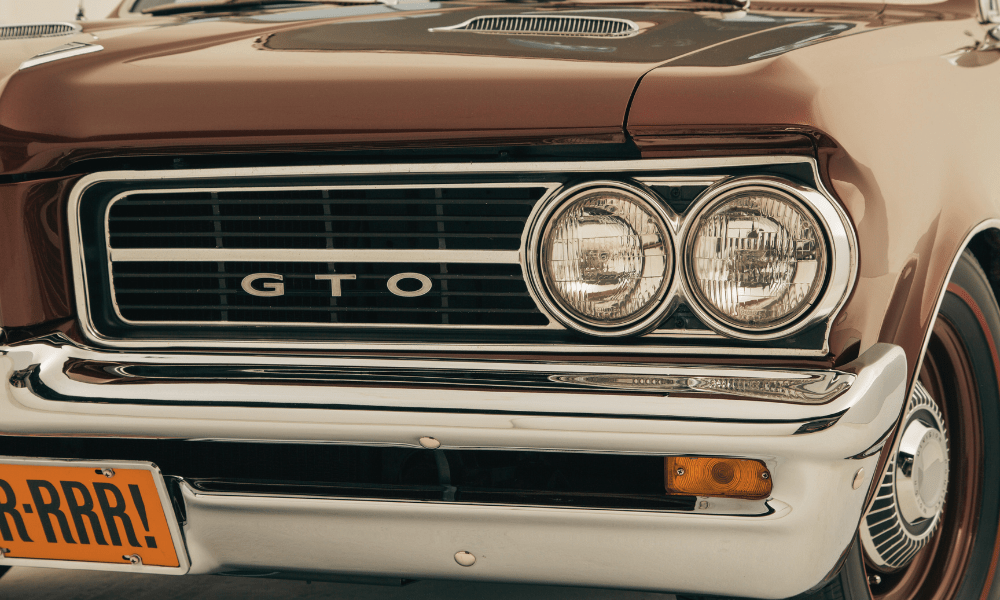
The Pontiac GTO introduced in 1964, was considered the first American muscle car. Created by John DeLorean and his team, the GTO featured a powerful 389 CID V8 engine. In its debut year, the GTO sold an impressive 32,450 units, with a base price of $2,852. The model also offered an optional Tri-Power carburetor setup, enhancing its performance and solidifying its reputation as a high-performance vehicle.
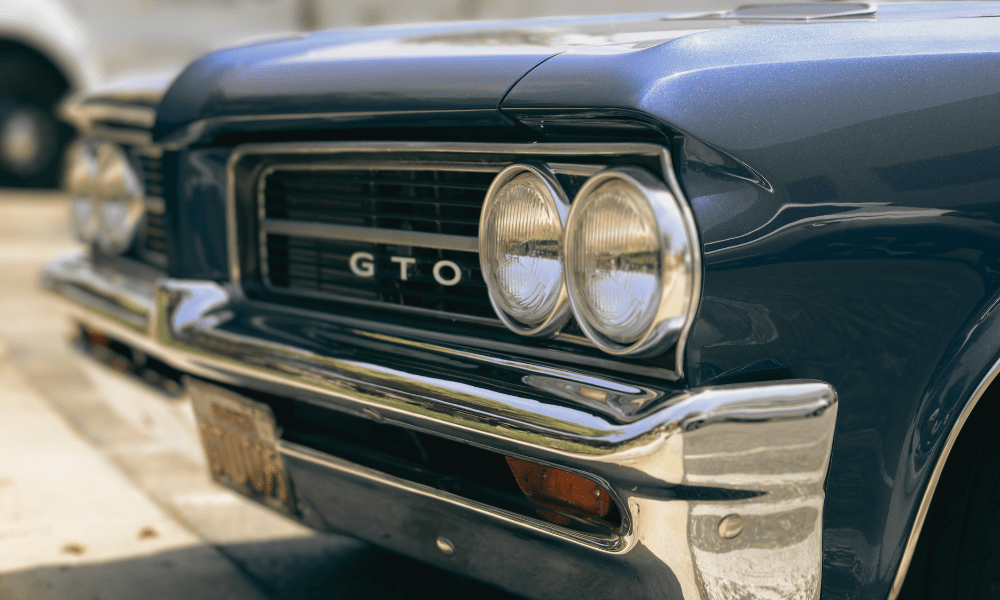
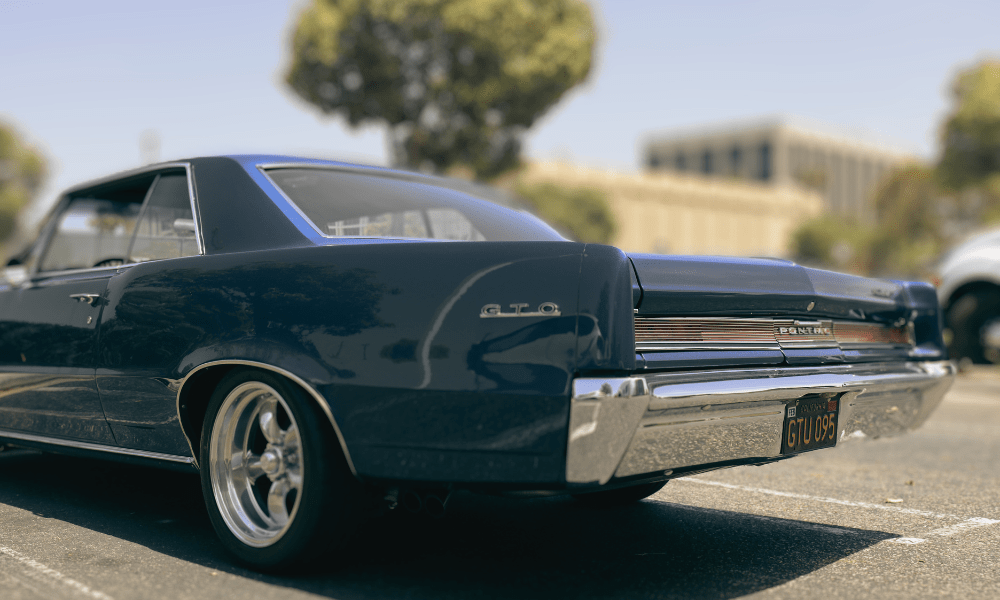
For all the details on the 1964 GTO, visit OPGI’s dedicated page here.
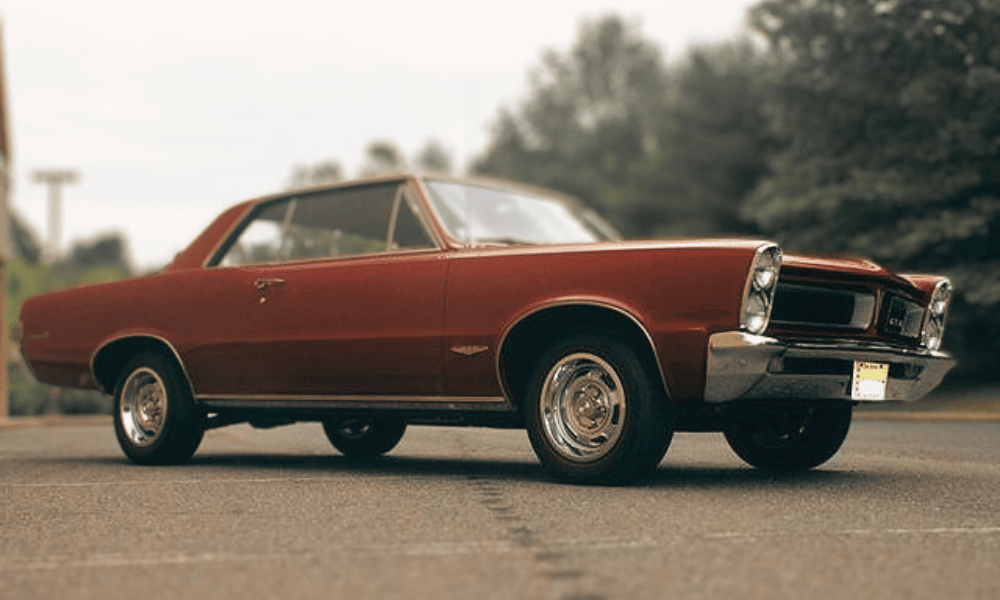
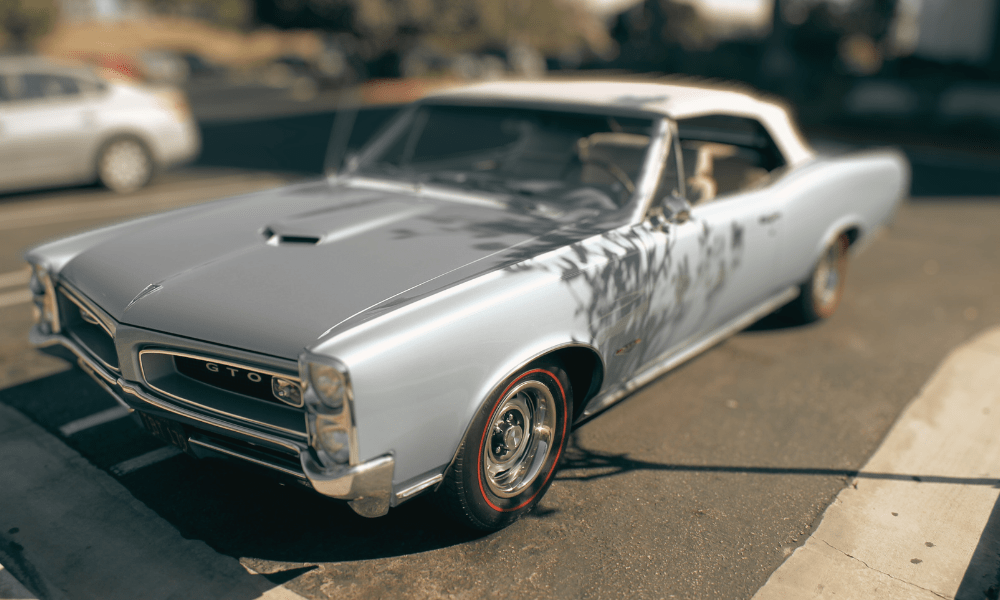
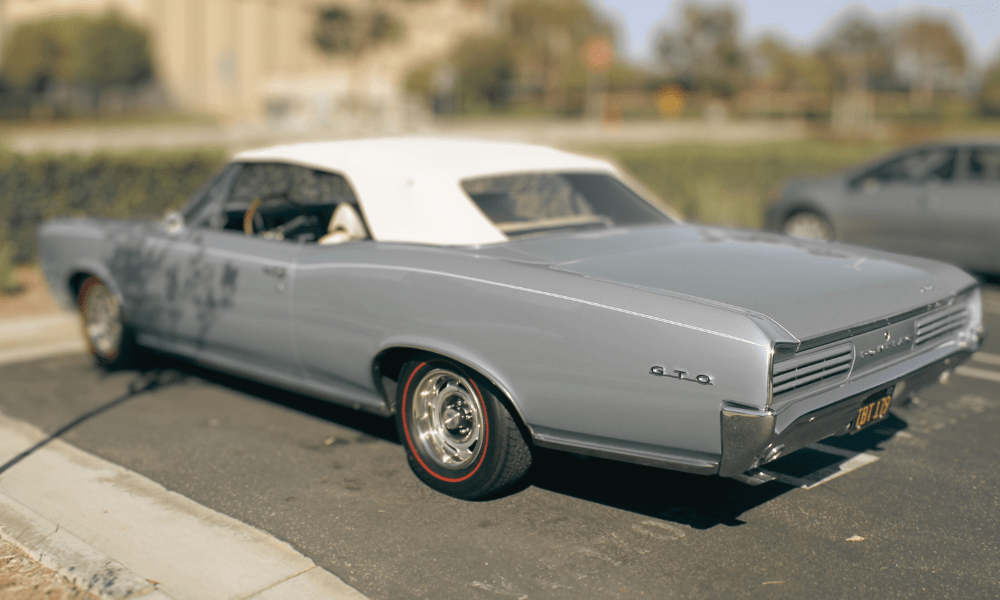
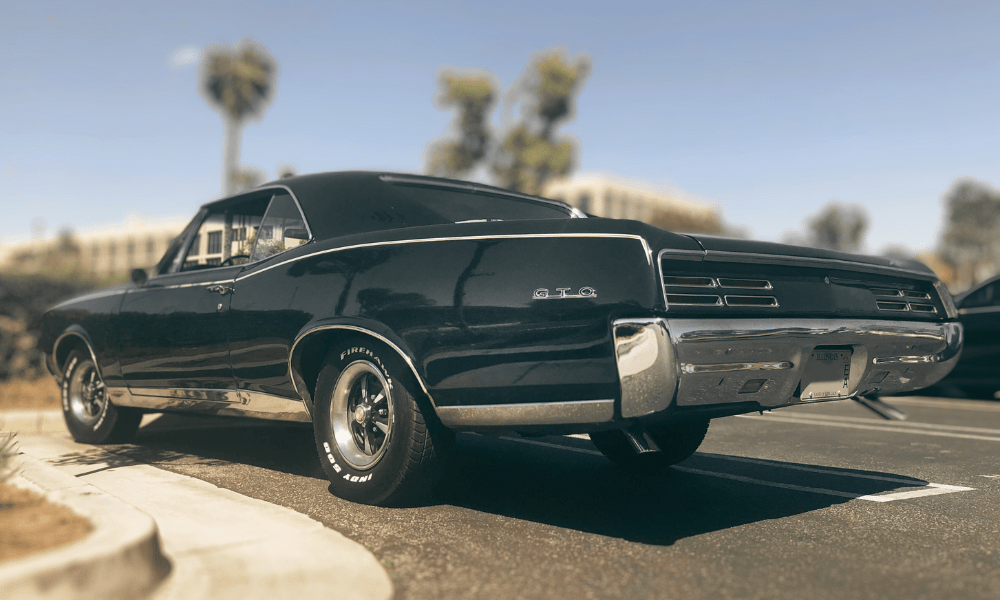
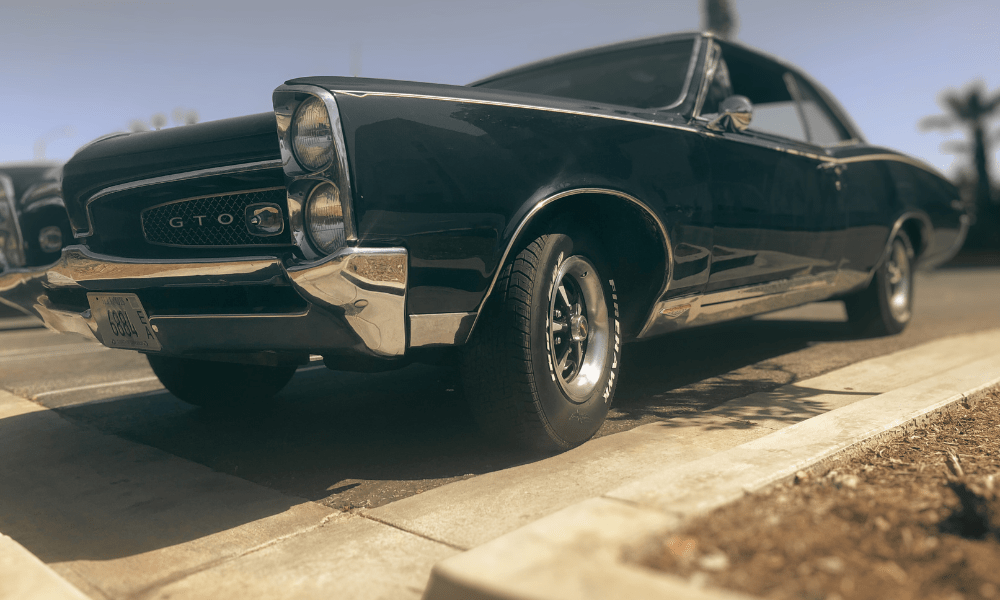
From 1965 to 1967, the Pontiac GTO received updates that solidified its status as a muscle car icon. In 1965, it introduced stacked headlights and a more aggressive look. The 1966 model GTO became a standalone model instead of a LeMans options package, featuring a redesigned front end and an optional 360-horsepower engine. By 1967, safety features like a dual master cylinder brake system and an energy-absorbing steering column were added, further boosting the GTO’s appeal.
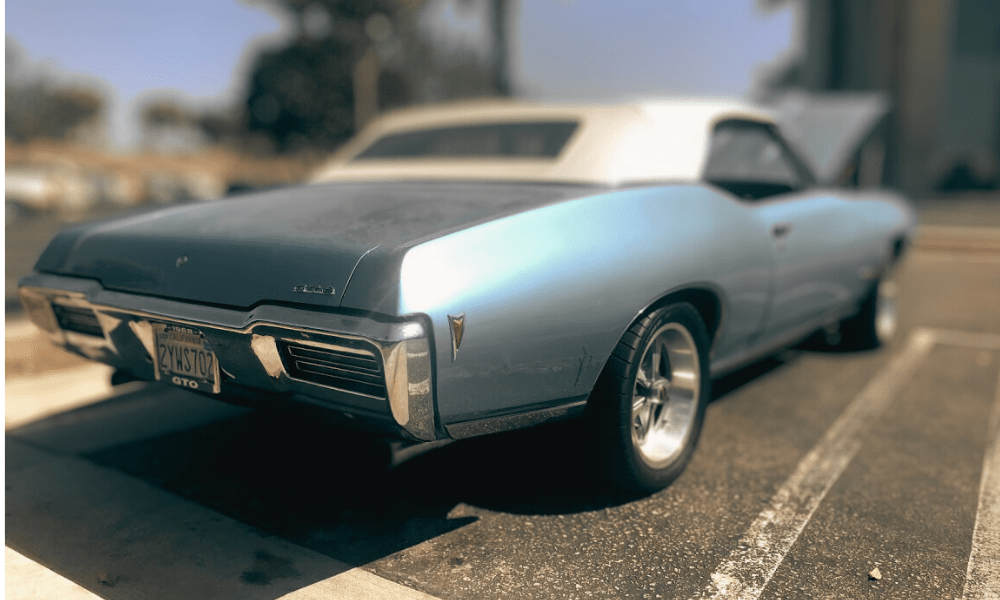
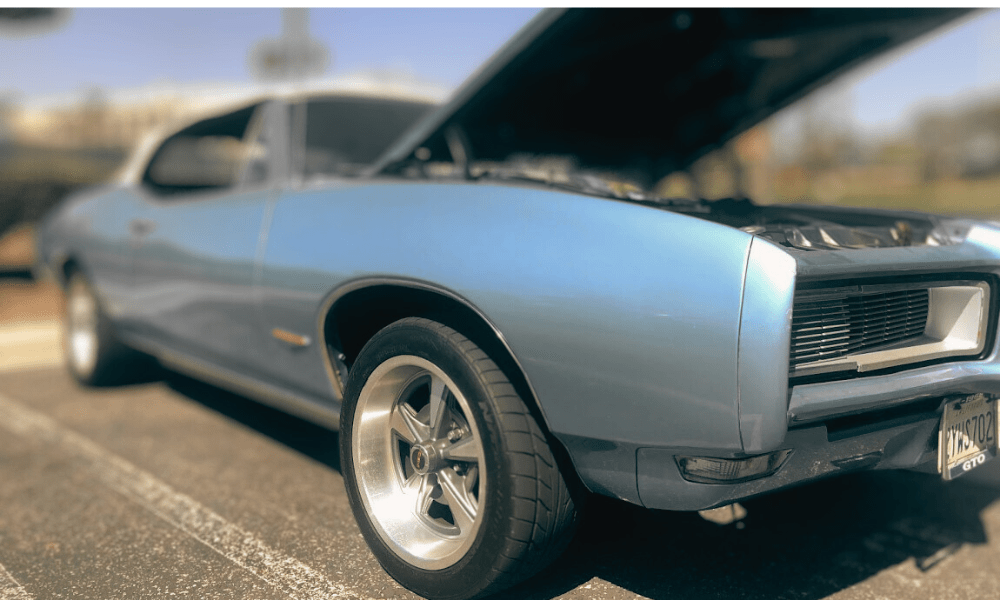
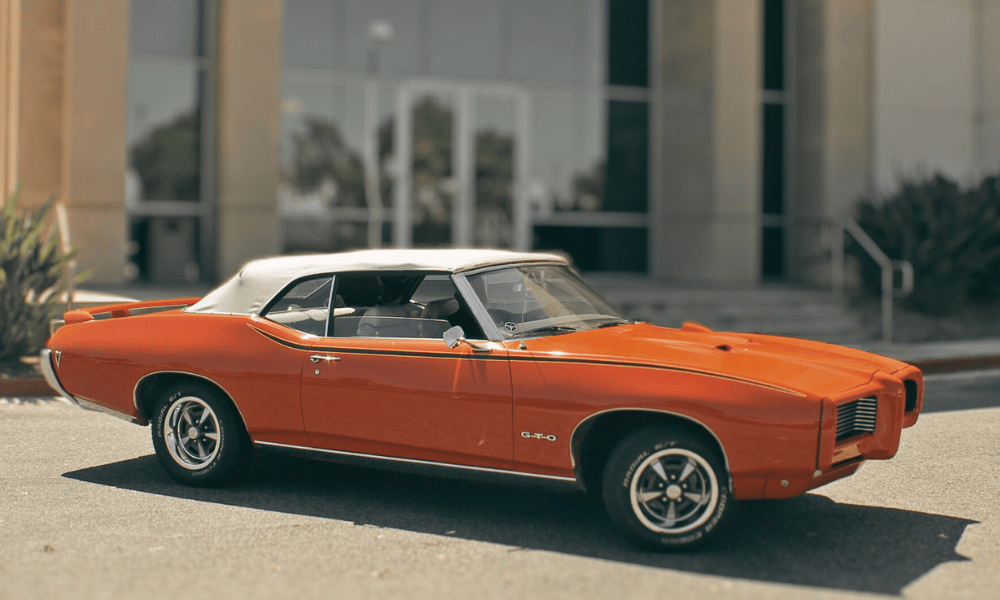
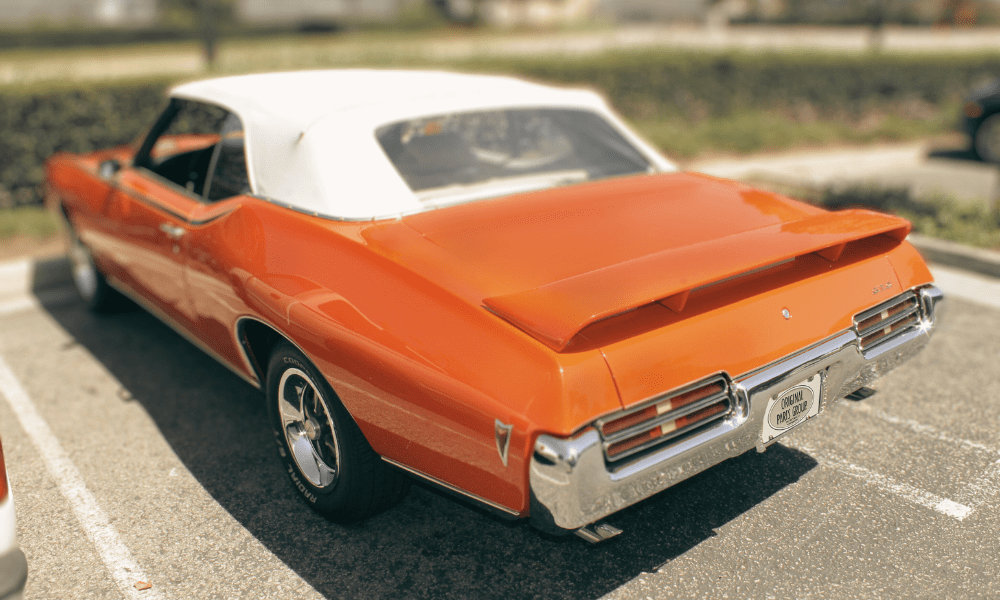
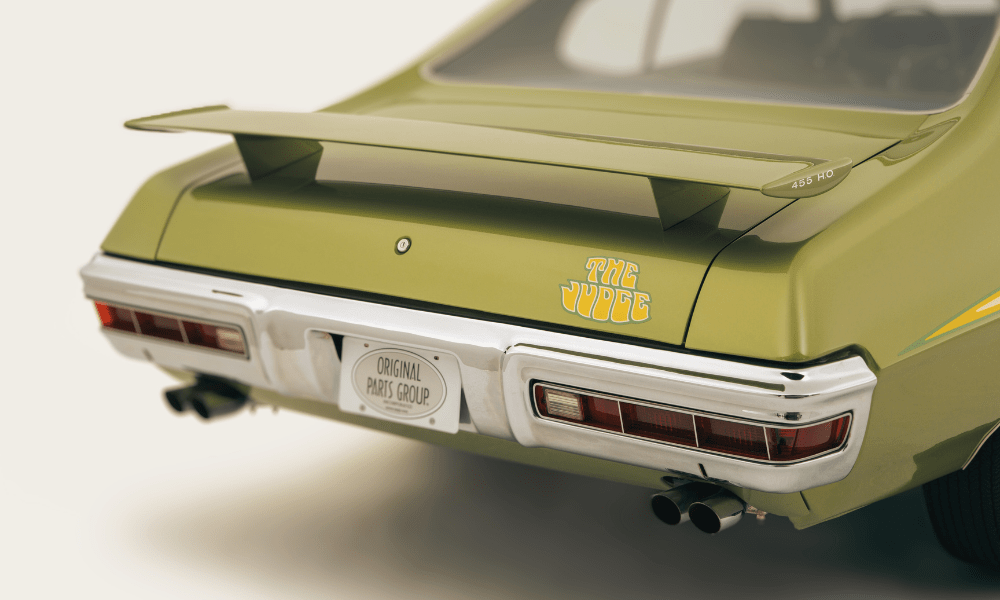
The GTO’s popularity continued to rise through the late 1960s, though it began to decline in the 1970s due to various external factors. Each new model year brought improvements in performance, styling, and features. The 1968 Pontiac GTO introduced the innovative Endura bumper, a body-colored front bumper designed to withstand impacts. The 1969 model featured the famous “Judge” package, which added bold graphics, a rear spoiler, and a high-output Ram Air engine, further solidifying its status as a muscle car legend.
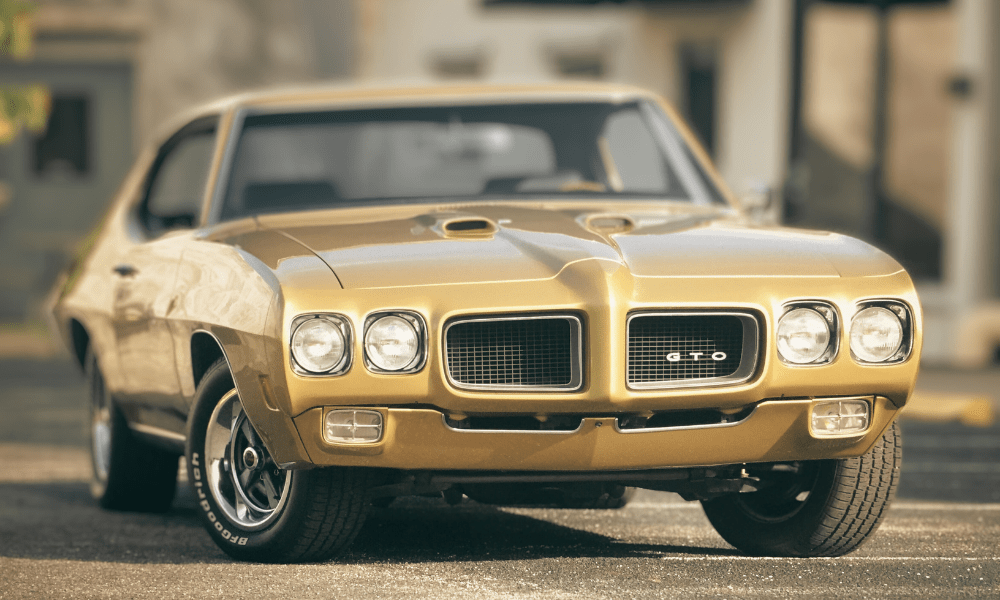
The 1970 GTO initially came equipped with a 366-horsepower Ram Air engine. Buyers also had the option to upgrade to the more powerful 370-horsepower Ram Air IV. The 455-cubic-inch (7.5-liter) HO V8, rated at 360 horsepower, wasn’t available on the Judge model until later in the production year.
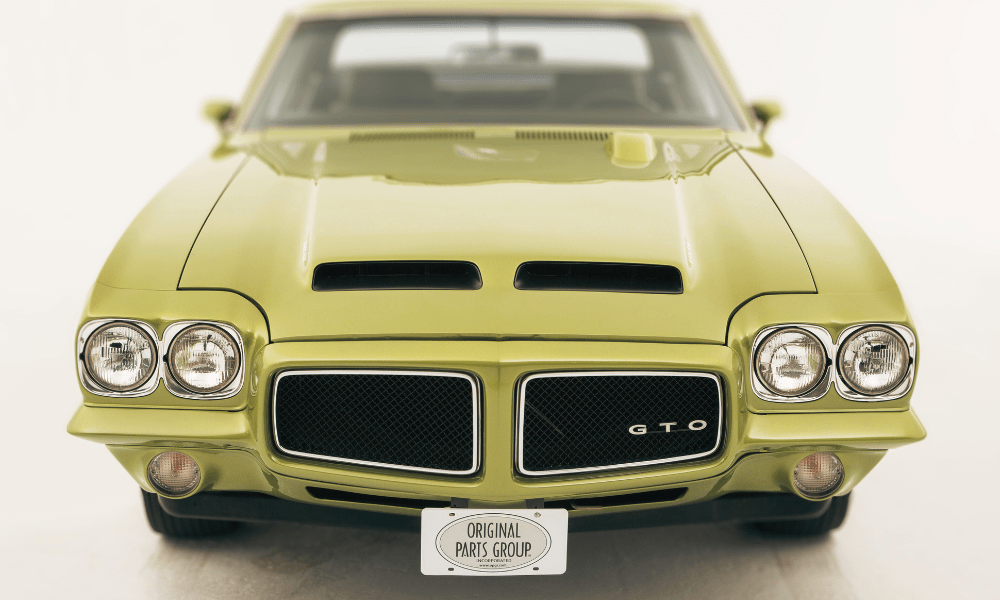
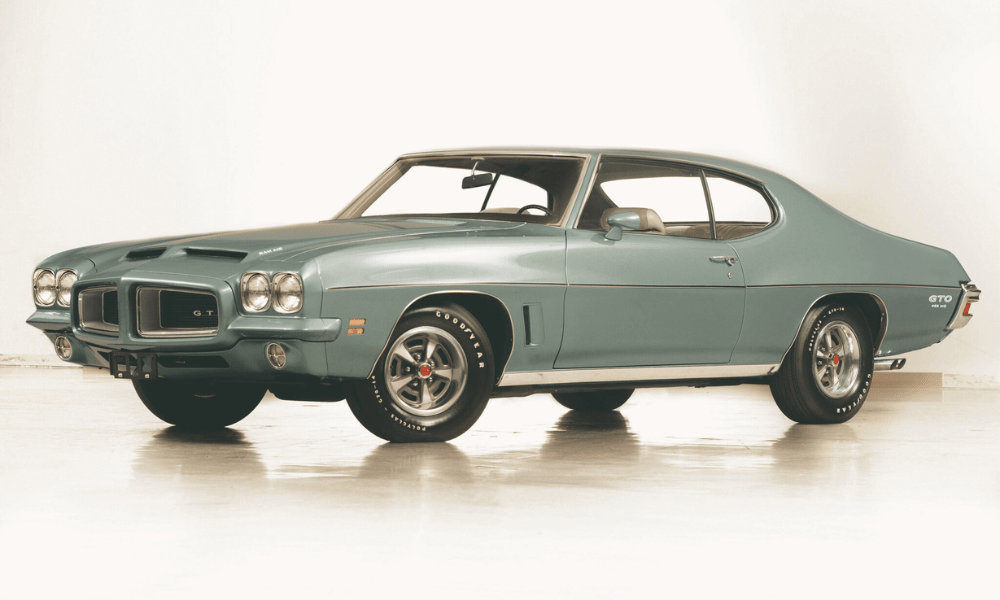
The 1971 and 1972 models saw slight design changes, focusing on meeting new emissions regulations and improving fuel efficiency. These updates included refined styling and enhanced safety features, reflecting the industry’s response to changing regulatory demands. Despite these challenges, the GTO remained popular among muscle car enthusiasts. However, by 1974, the GTO nameplate was discontinued, marking the end of an era in American automotive history.
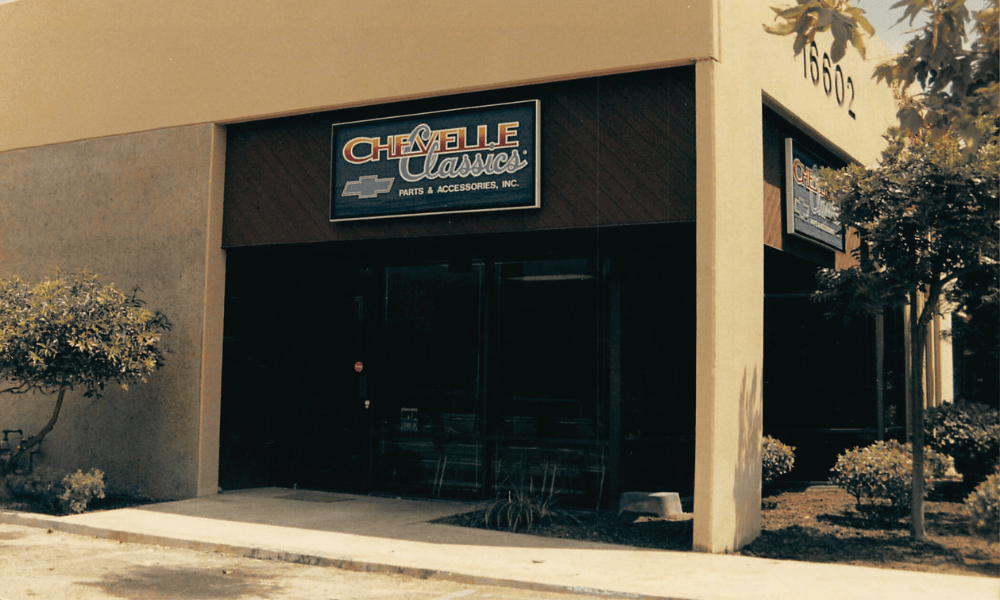
In 1987, recognizing the enduring popularity of the GTO, Original Parts Group Inc. expanded Chevelle Classics to include GTO parts. This move responded to the growing demand for high-quality restoration components, ensuring these classic cars could be maintained and restored to their original glory. OPGI introduced several “restoration industry firsts” for GTOs, such as injection molded interior parts, aluminum and chrome moldings, and bright trim, establishing themselves as a key source for restoring these iconic vehicles.
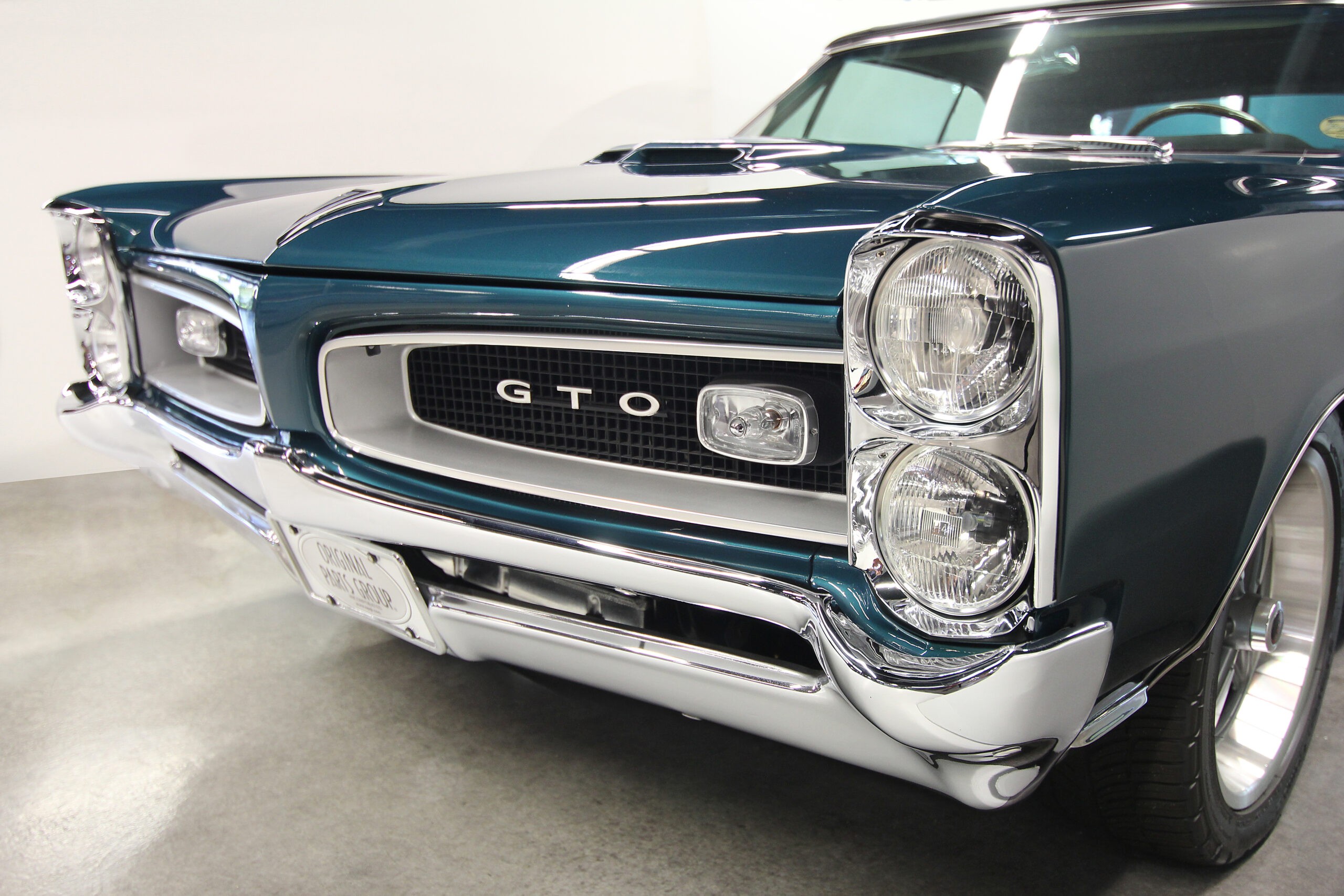
For 60 years, the Pontiac GTO has captivated car enthusiasts, and OPGI is proud to support its restoration and preservation. With an extensive catalog of authentic GTO parts, from engine components to trim details, OPGI ensures that every GTO can be maintained to the highest standards. As we celebrate this milestone, we reaffirm our commitment to providing the best products and services to keep the GTO legacy alive for future generations.

Leave a Reply