
- As seen on
-

-

-

-

Anyone who’s spent time around classic cars has seen it or lived it. A project that starts with excitement and big plans slowly turns into a stalled build, collecting dust in the garage. That’s why having a clear classic car restoration plan is so important to see your project through to completion.
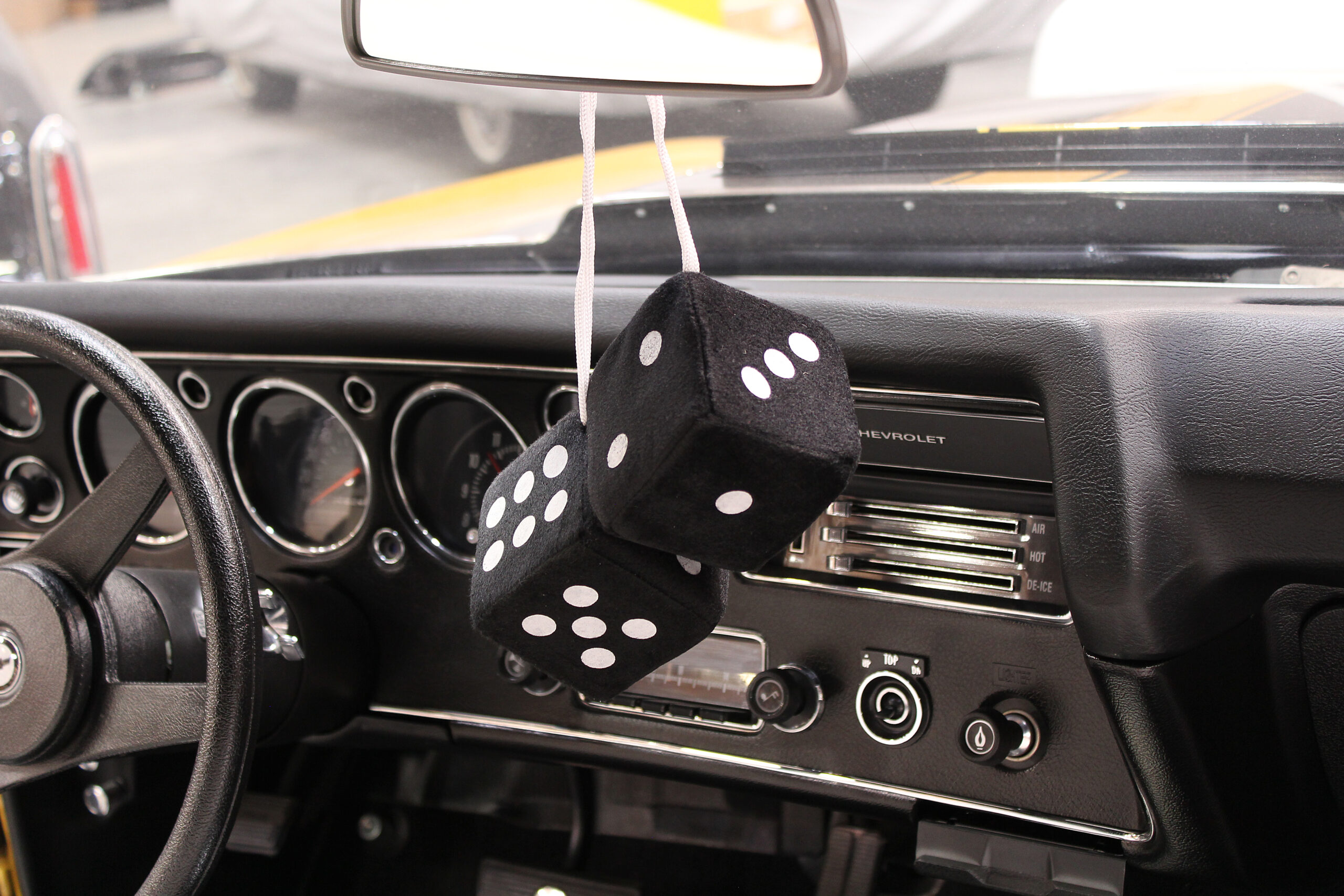
At Original Parts Group, we’ve worked with thousands of enthusiasts at every stage of restoration, from first-time hobbyists to seasoned builders. And one thing is clear: projects don’t usually stall because of lack of passion they stall because of lack of planning. That’s why having a thoughtful classic car restoration plan is crucial to success.
Here’s how to approach your next classic car project in a way that keeps it moving and actually gets it across the finish line.
Before ordering a single part, answer one simple question:
What is this car meant to be when it’s done? A restoration plan for a classic car should start by setting a clear end goal. Is it:

Problems start when the goal changes halfway through the build. Knowing the end vision upfront helps you make smarter decisions on parts, budget, and scope and prevents costly backtracking later when following your classic restoration plan for the car.
“Full restoration” sounds exciting, yet overwhelming. Instead, divide the project into manageable phases, such as you would in a well-organized classic car restoration plan:
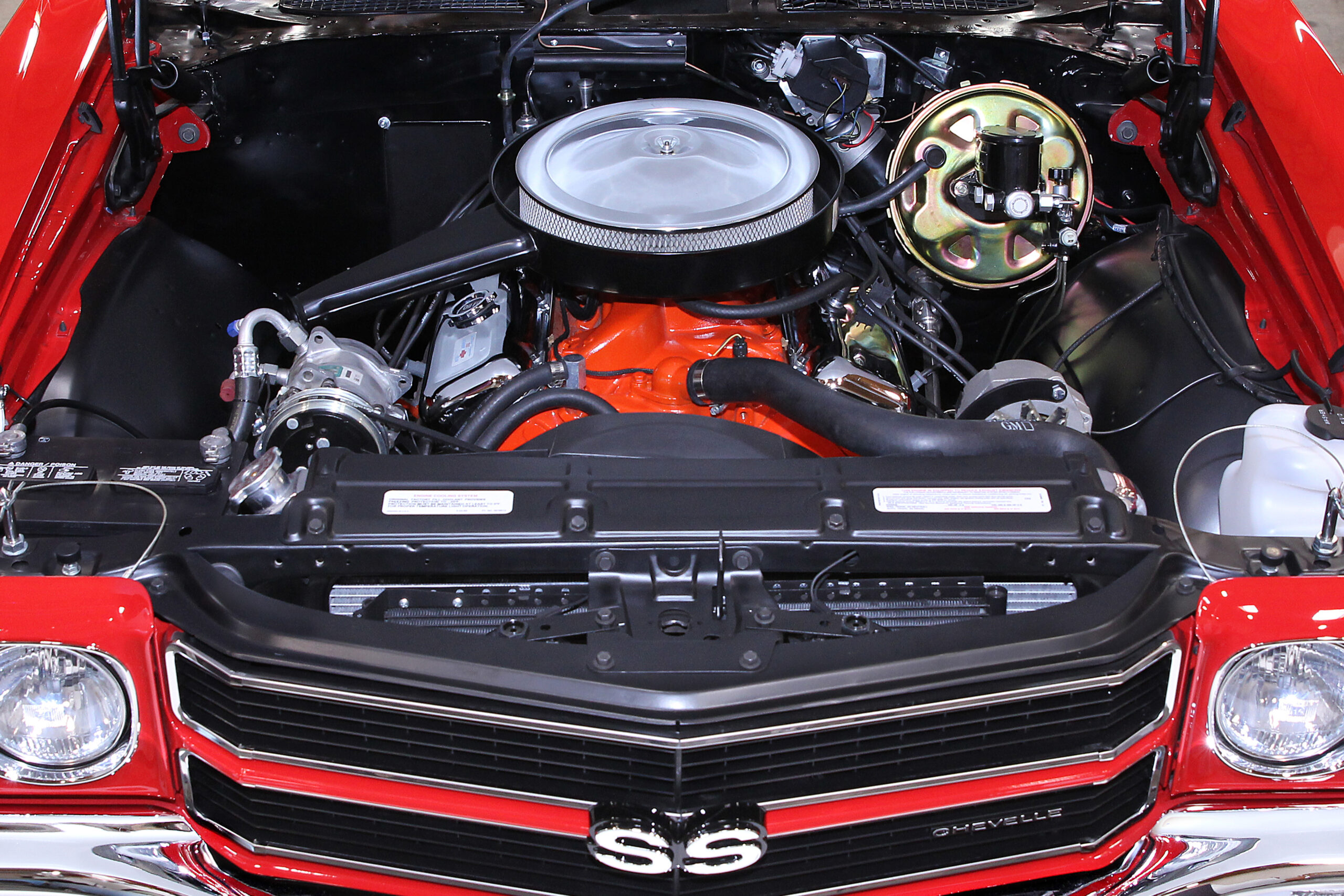
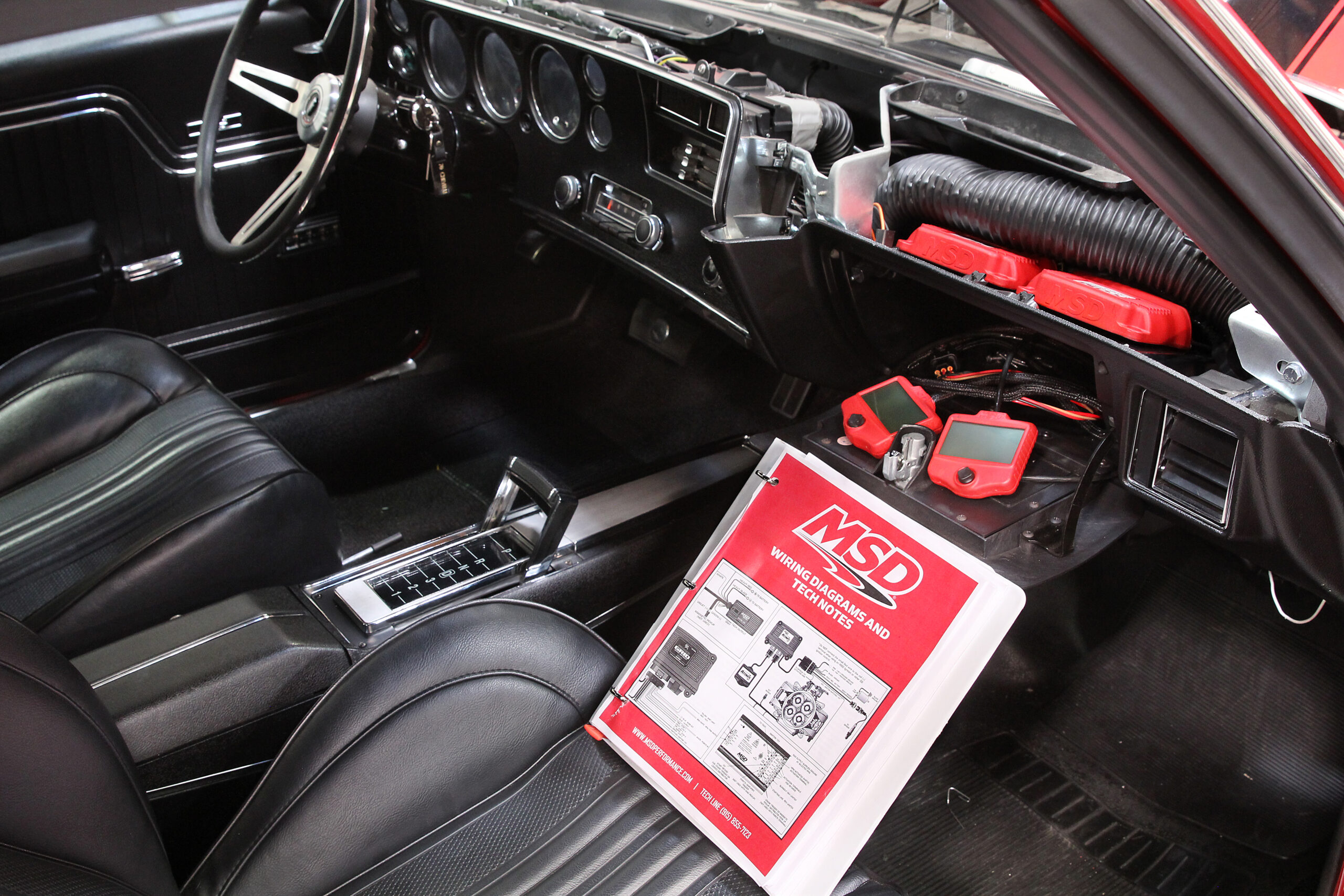
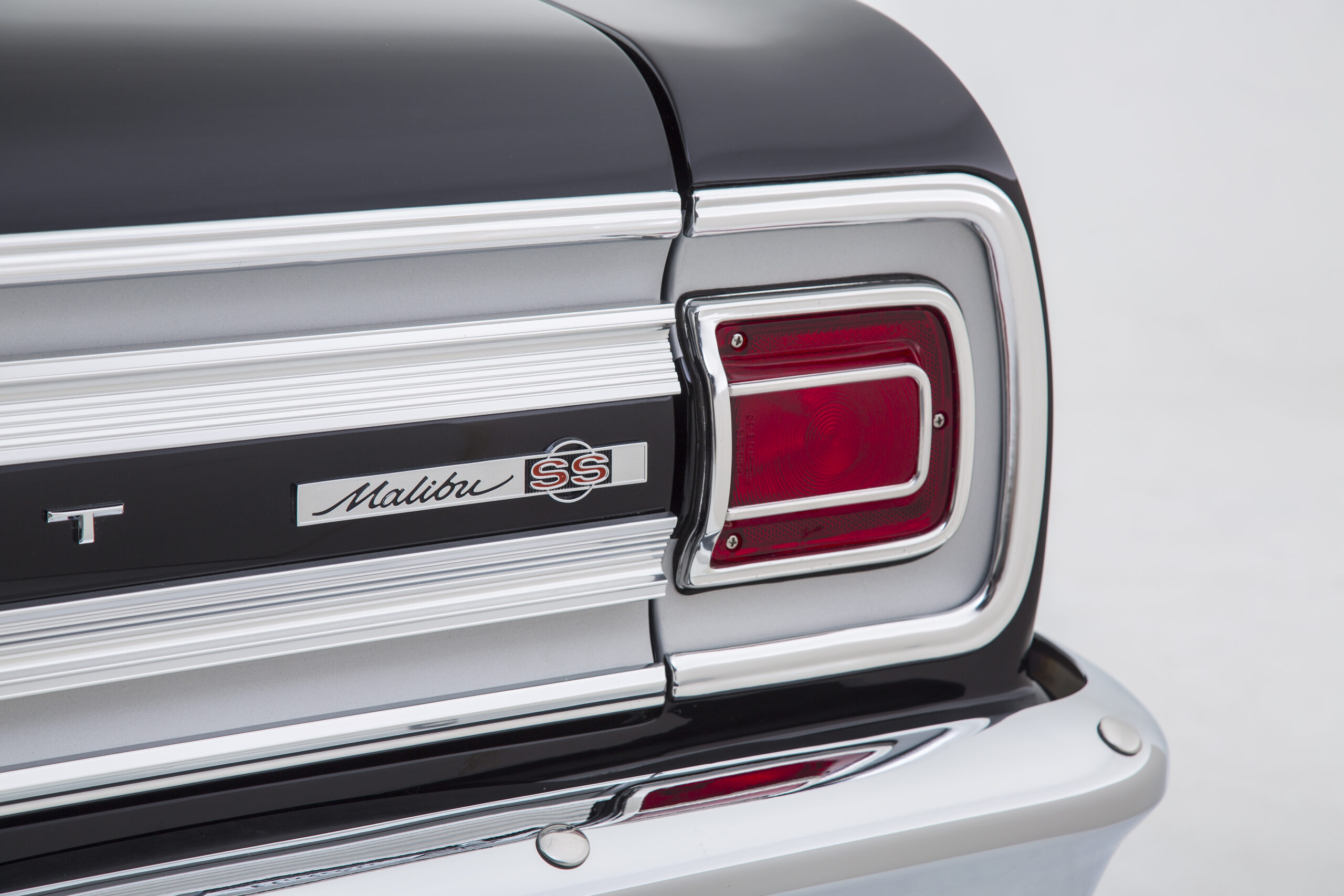
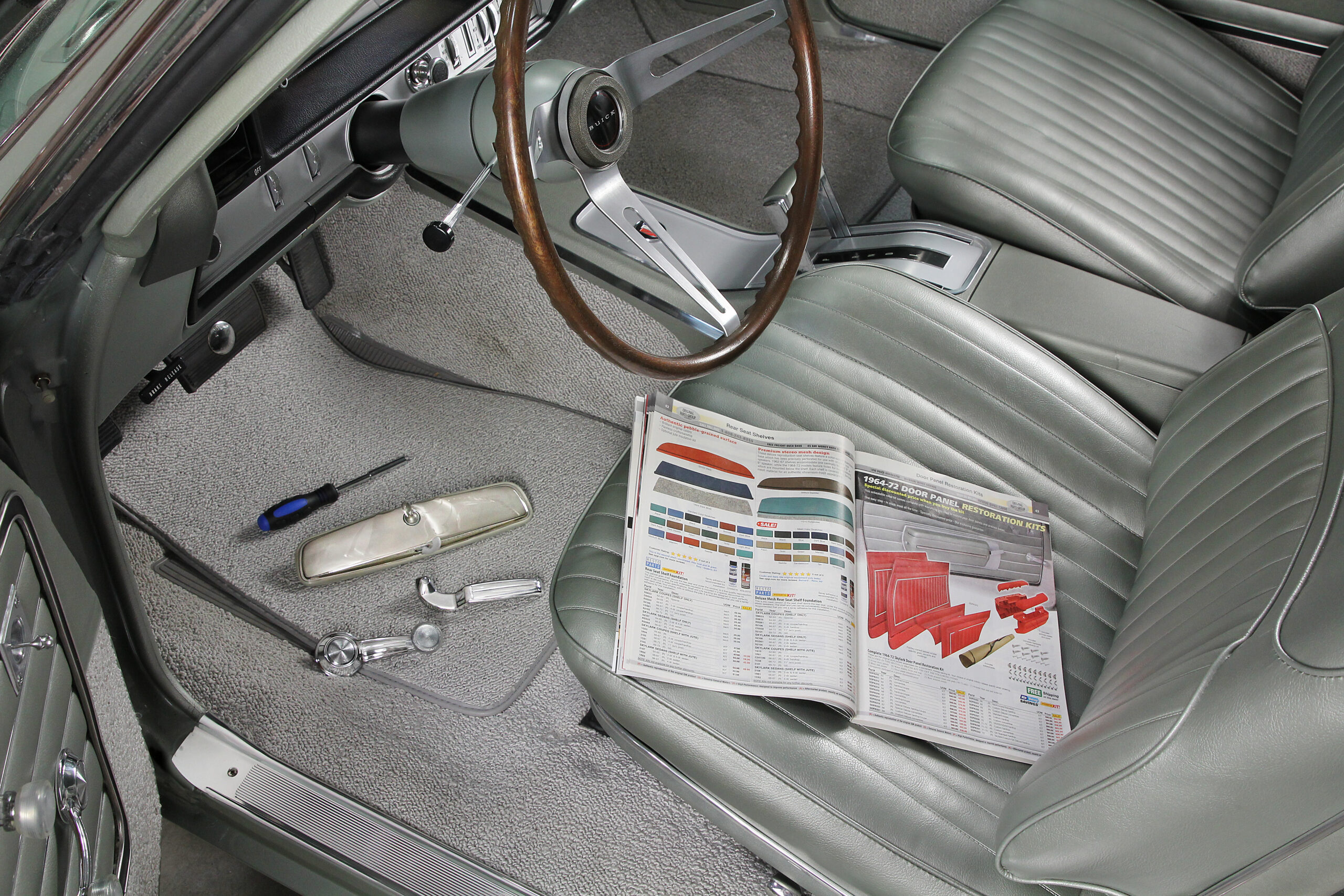
Completing smaller phases creates momentum, helps track spending, and gives you clear stopping points instead of one massive unfinished task.
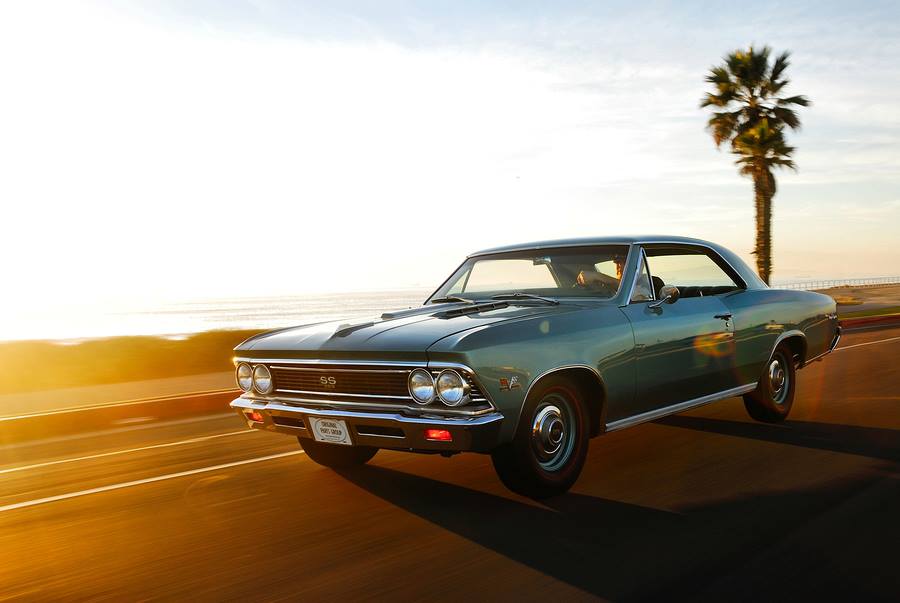
Restoration costs almost always run higher than expected. The biggest mistake isn’t overspending it’s not planning for overruns. When mapping out your budget, make sure your classic car restoration plan includes a financial buffer for unexpected expenses.
A smart approach:
You don’t need everything at once but knowing the total picture prevents the project from stalling when funds run tight.
Every restorer knows this phrase: “Well… while I’m in there…”
That’s how a simple repair turns into a year-long teardown. Upgrades are tempting, but scope creep is the fastest way to blow timelines and budgets. One way to avoid this trap is by sticking to the details outlined in your classic car restoration plan.
When surprises come up (and they will), pause and ask:
If not, make a note and move on.
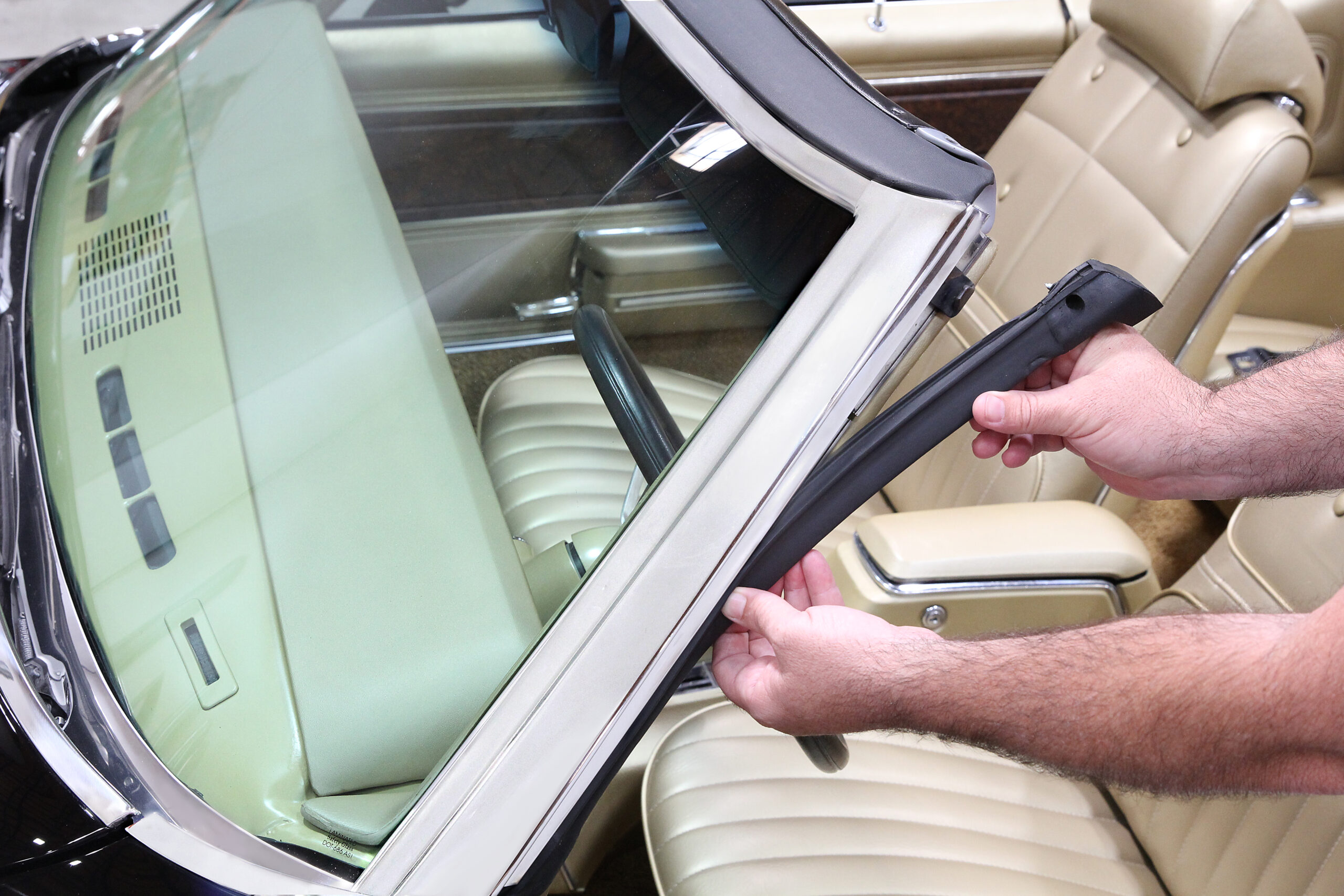
Impulse-buying parts feels productive, but mismatched or premature purchases often slow projects down. By ordering with a classic car restoration plan in mind, you can avoid unnecessary delays.
Instead:
A little patience here saves time, money, and frustration later.
Many projects stall because owners wait for the “perfect time,” the “perfect setup,” or the “final decision.” The reality is that finished projects evolve. In the end, following your own classic car restoration plan is more important than aiming for perfection.
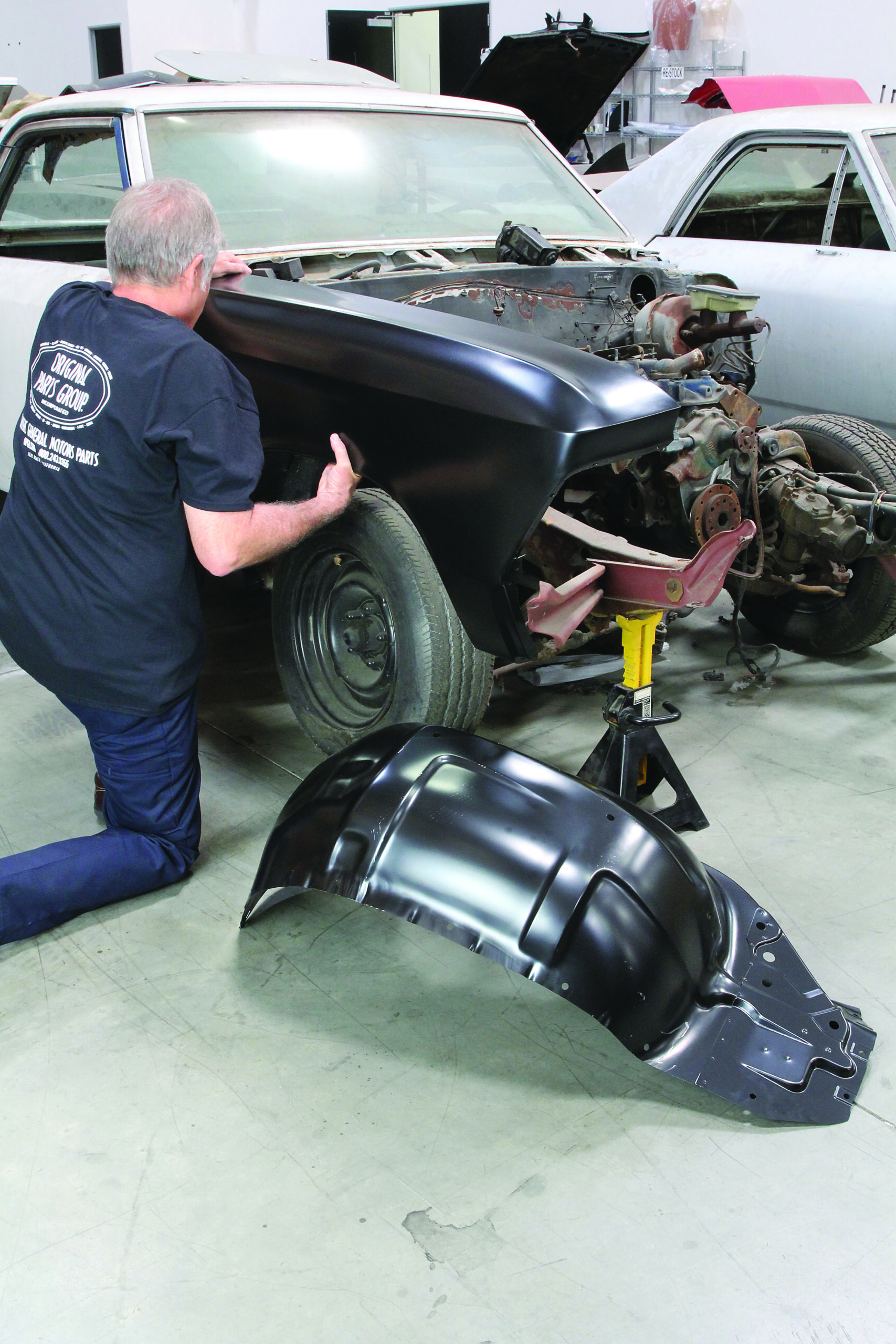
A running, driving car even if it’s not perfect is infinitely more rewarding than a flawless plan that never leaves the garage.
Classic car restoration isn’t just about the destination, it’s about staying engaged long enough to get there. With clear goals, realistic planning, and steady progress on your restoration plan for classic cars, your project doesn’t have to become another unfinished story.
And when you’re ready for quality parts, reliable fitment, and support from people who know the hobby, OPGI is here to help with all your GM classic car restoration needs.
Leave a Reply