
- As seen on
-

-

-

-

For decades, the gold standard in the collector car world was simple: keep it factory correct. Matching numbers. Original finishes. Period-correct components. That hasn’t changed, but the market around it has evolved. In 2026, owners are asking a more practical question: Restomod vs Original Classic Car does originality add the most value… or does drivability? The answer depends on how you plan to use your car.
A “numbers matching” car typically means the engine, transmission, and major components retain their original factory stampings and date codes. For high-end collectors and auction buyers, that documentation can significantly impact resale value.
At premier auctions, concours-level restorations still command top dollar, particularly for rare drivetrain combinations and documented production numbers.
If your goal is show judging or top-tier resale performance, maintaining factory originality still matters. Restoring to factory specification requires the right parts and that means sourcing reproduction components built to match original designs as closely as possible. Explore OPGI’s complete selection of restoration parts for your specific model.
Here’s what’s changed: more enthusiasts are actually driving their cars. Cars that used to sit in climate-controlled garages are now going on weekend cruises, multi-state rallies, and daily coffee runs and that changes priorities.
Buyers under 40, and even many longtime collectors, are increasingly prioritizing:
Not wild custom builds. Not cutting up survivor cars. Just smart updates that make classic cars easier (and safer) to enjoy.
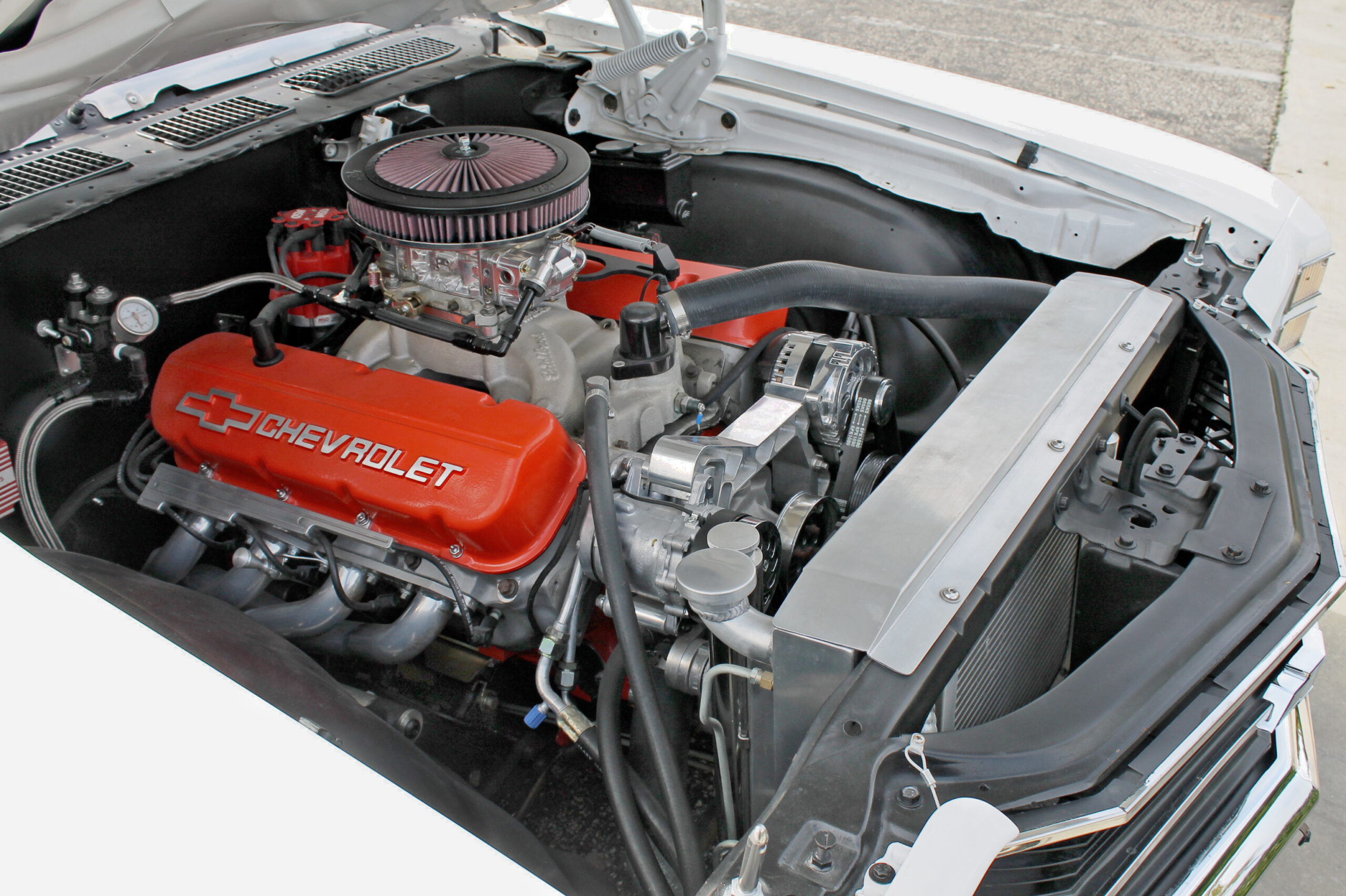
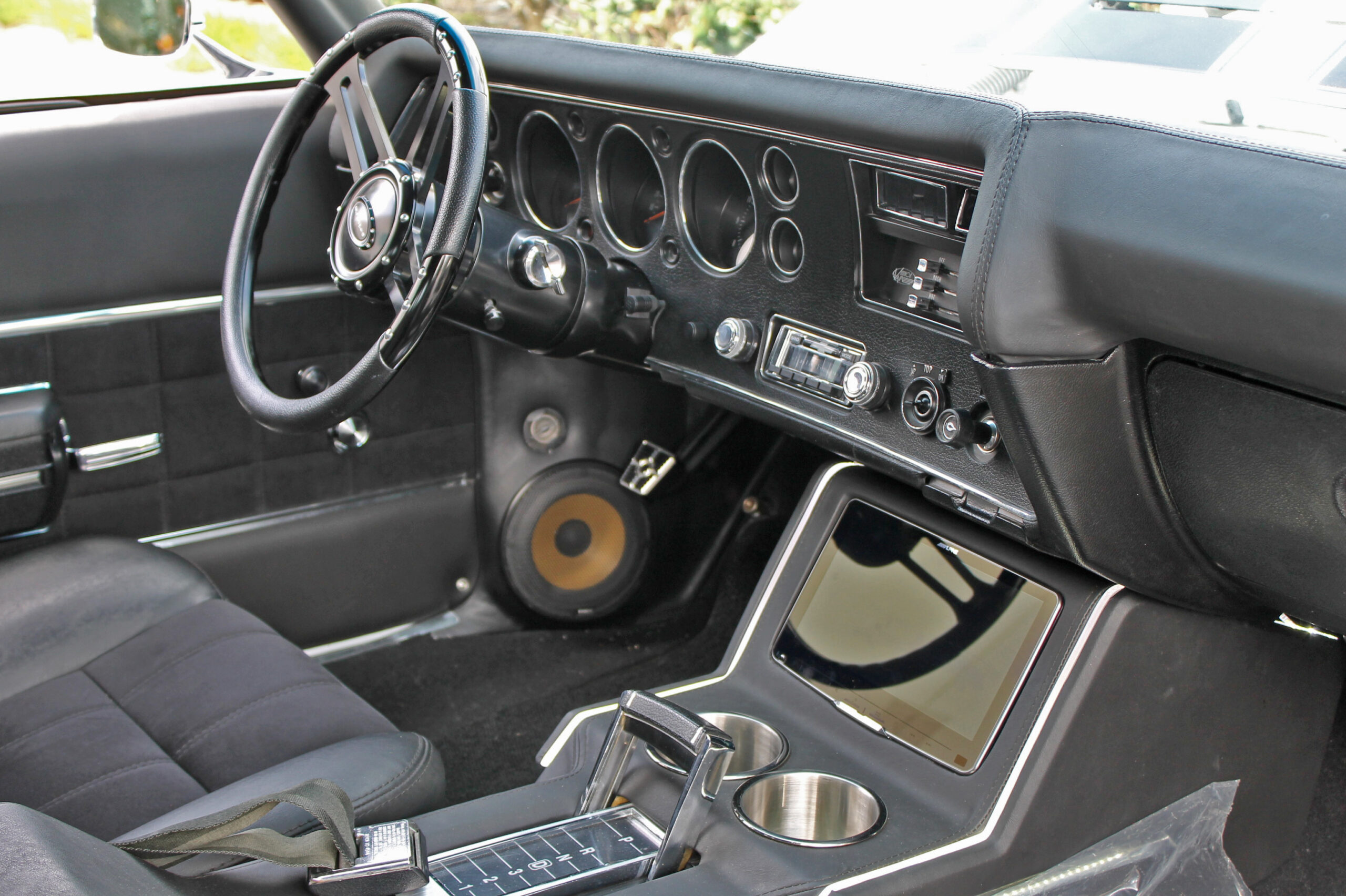
There’s a big difference between a radical modification and a reversible improvement.
Here are upgrades that are widely accepted, and often expected, in 2026.
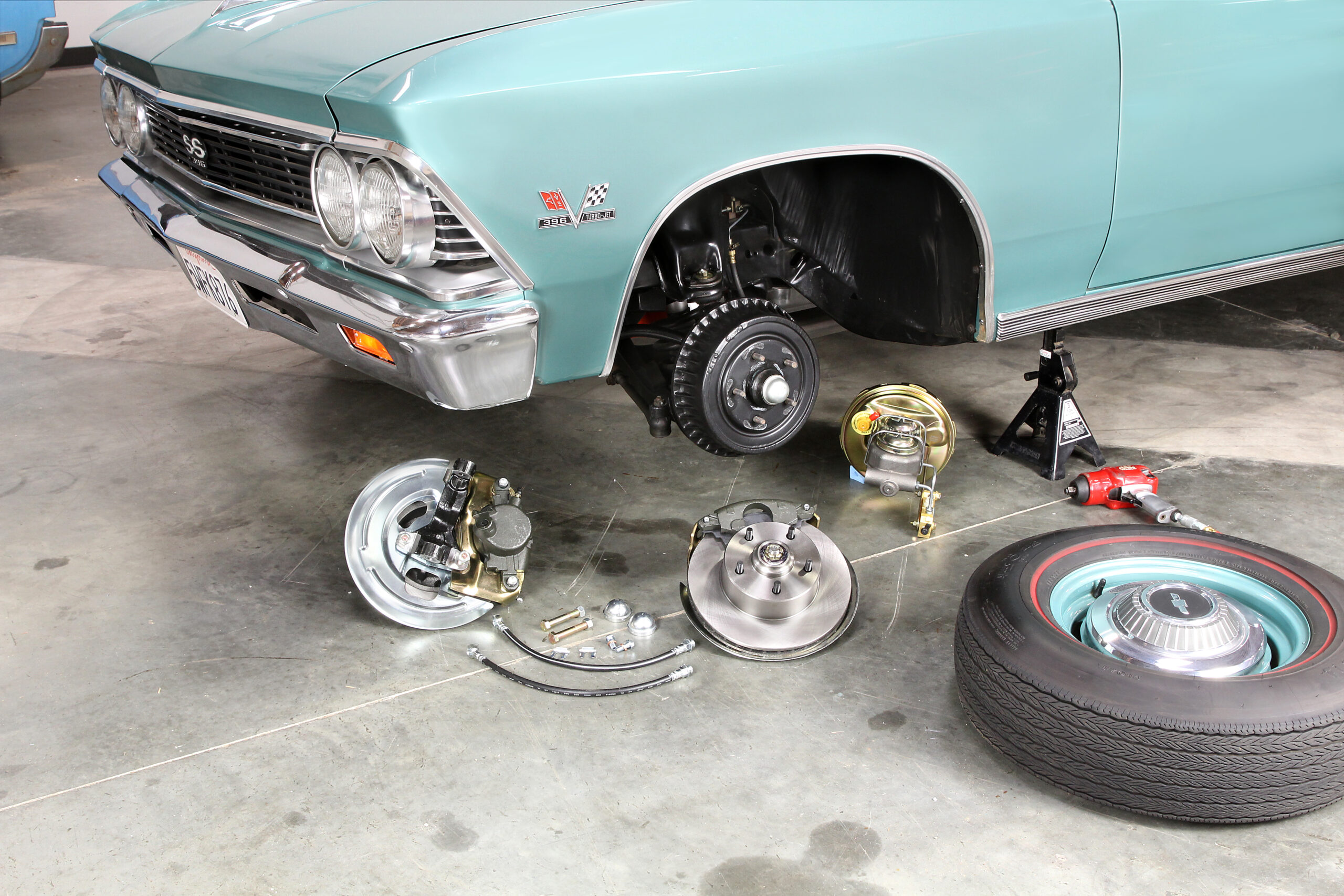
Four-wheel disc brakes dramatically improve stopping power and pedal feel compared to factory drum systems. For cars driven in modern traffic, stopping distance and consistency matter. A properly engineered bolt-on disc brake conversion keeps the chassis intact while improving safety.
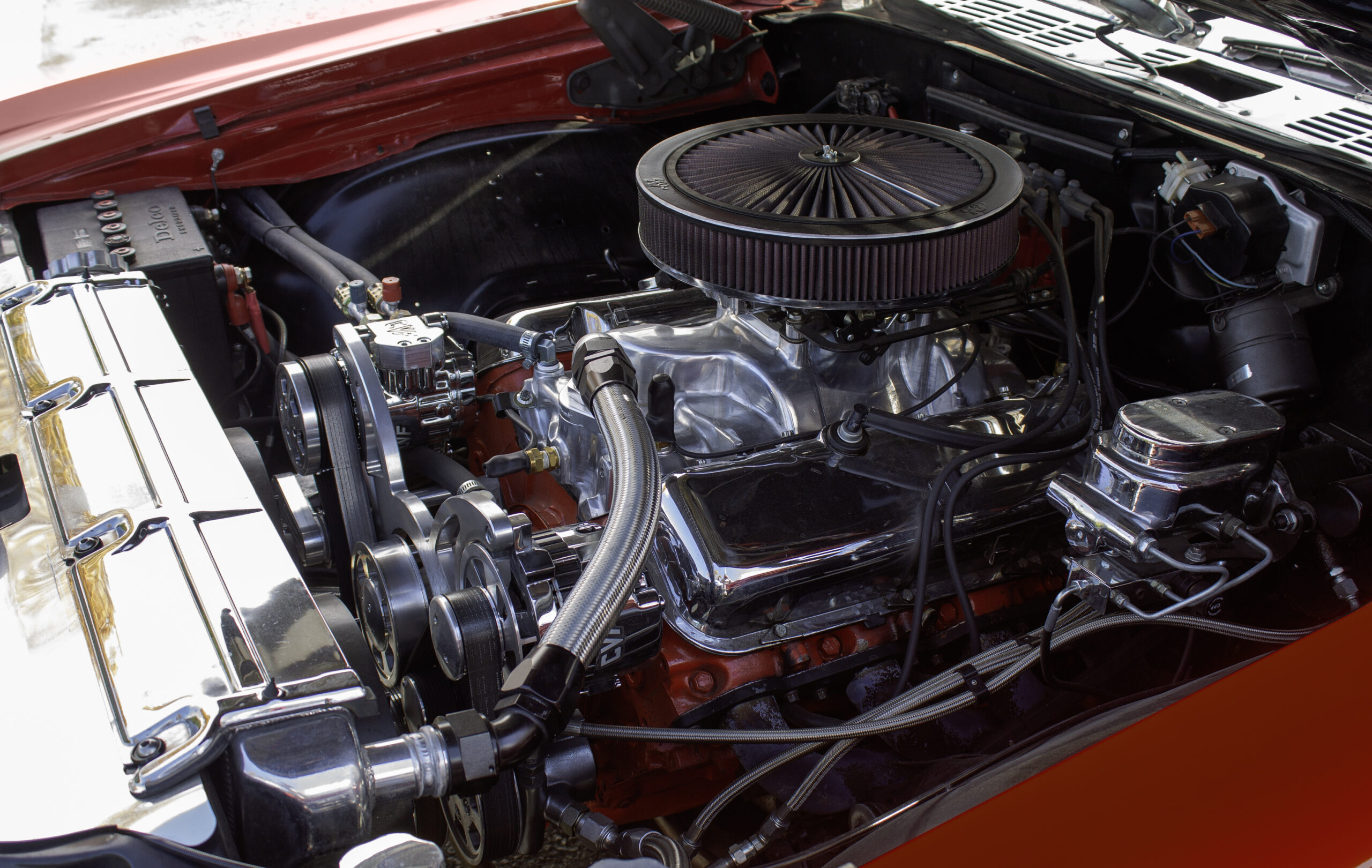
Classic cooling systems weren’t designed for today’s stop-and-go traffic or hotter climate patterns.
Upgrades like:
Help prevent overheating while maintaining an original appearance.
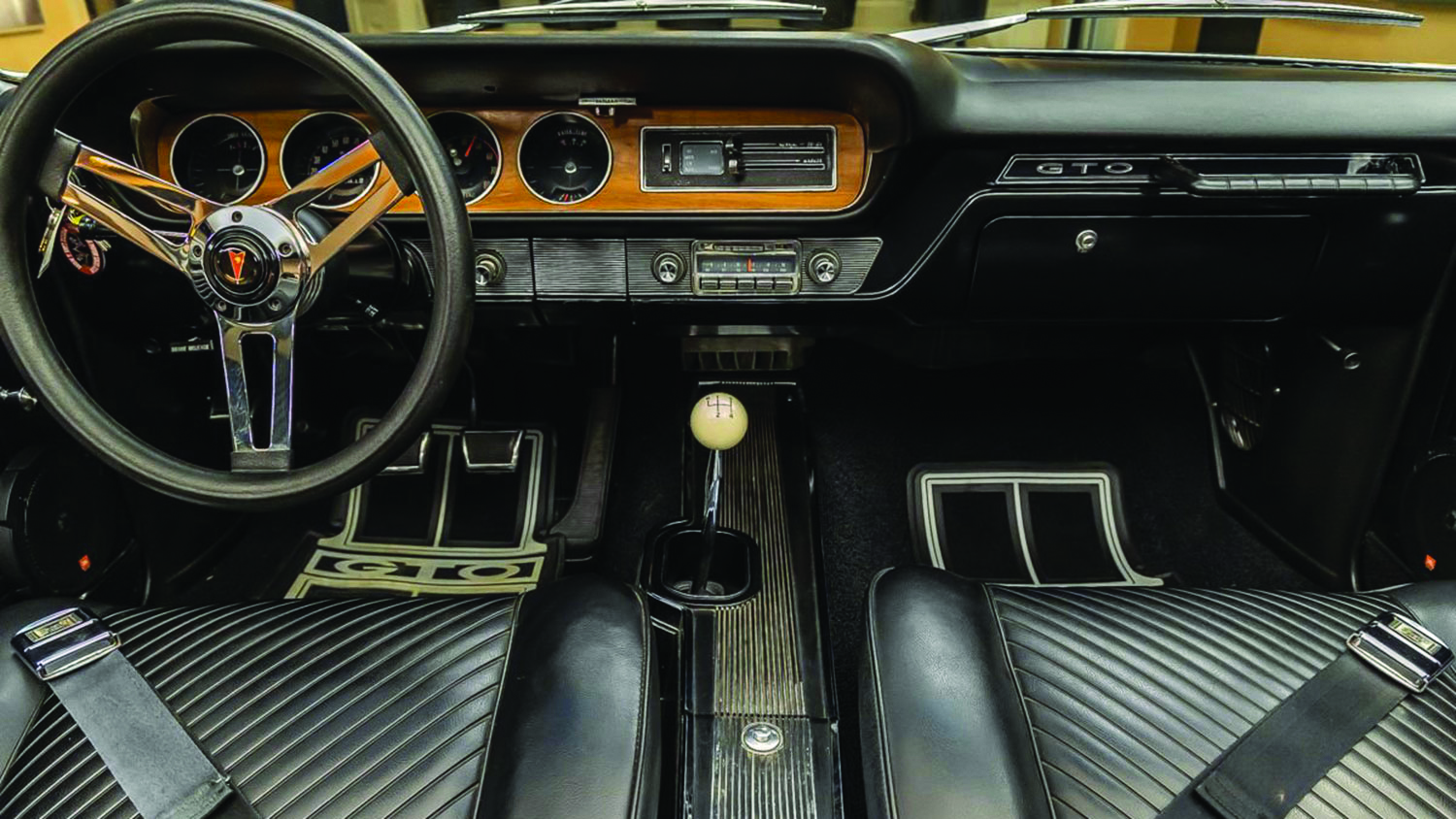
Modern technology doesn’t have to look modern.
Today’s retro-style radios offer:
All while fitting into stock dash openings and preserving original aesthetics.
Updated headlamps, upgraded bulbs, and improved wiring components can dramatically increase visibility and reliability while still fitting factory housings and maintaining an original appearance. OPGI carries factory-style headlamps, reproduction lenses, and lighting components designed to preserve the original look while improving performance where it matters.
While full engine swaps are popular in some segments of the market, many owners choose smaller upgrades:
These enhancements improve reliability while preserving engine bay appearance.
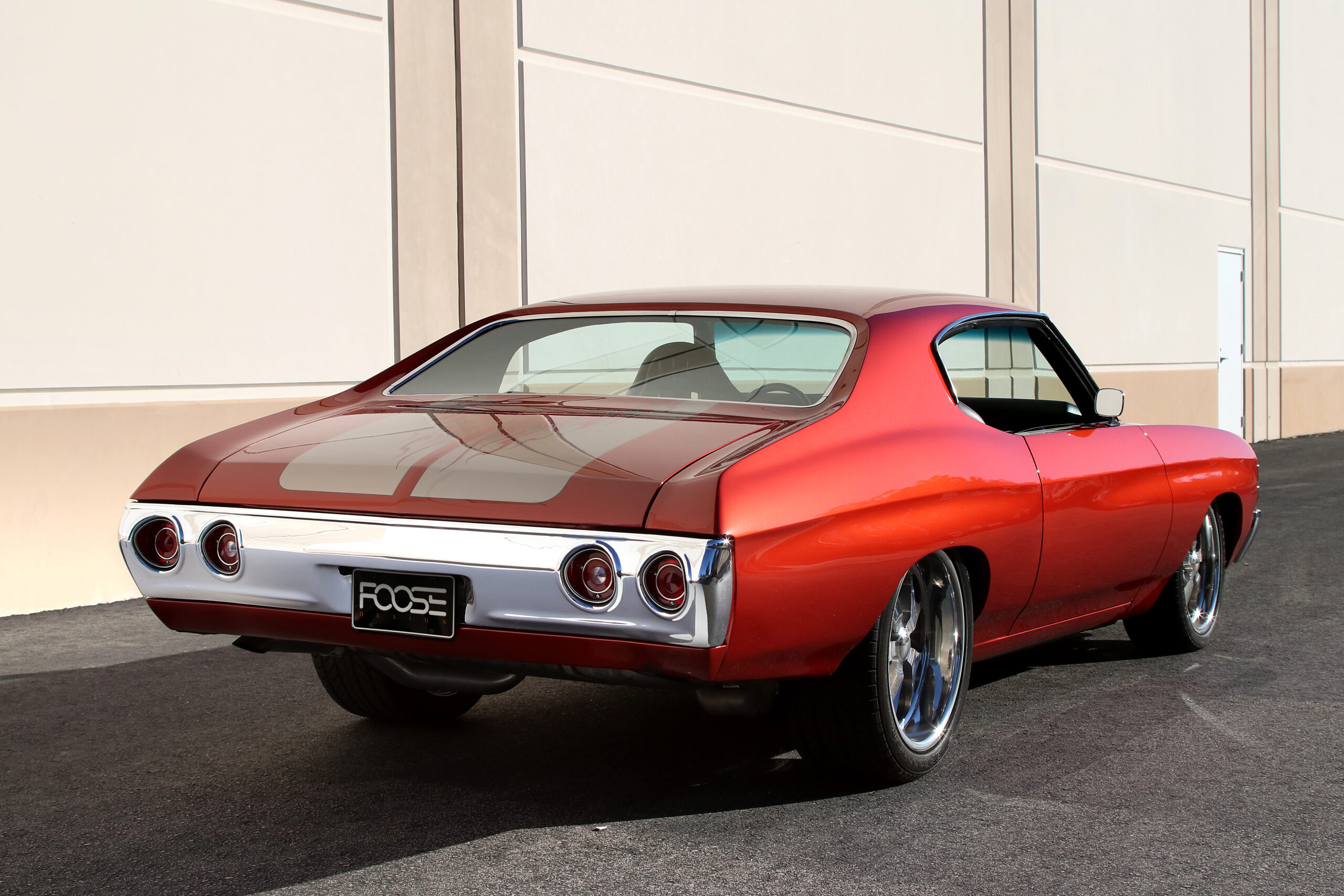
If you are building a car strictly for concours judging or investment resale at a nationally televised auction, originality still carries premium weight. But for drivers, weekend cruisers, and enthusiast buyers a car that starts easily, stops confidently, and runs cool on a 95-degree day may command stronger interest than a perfectly documented but temperamental example.
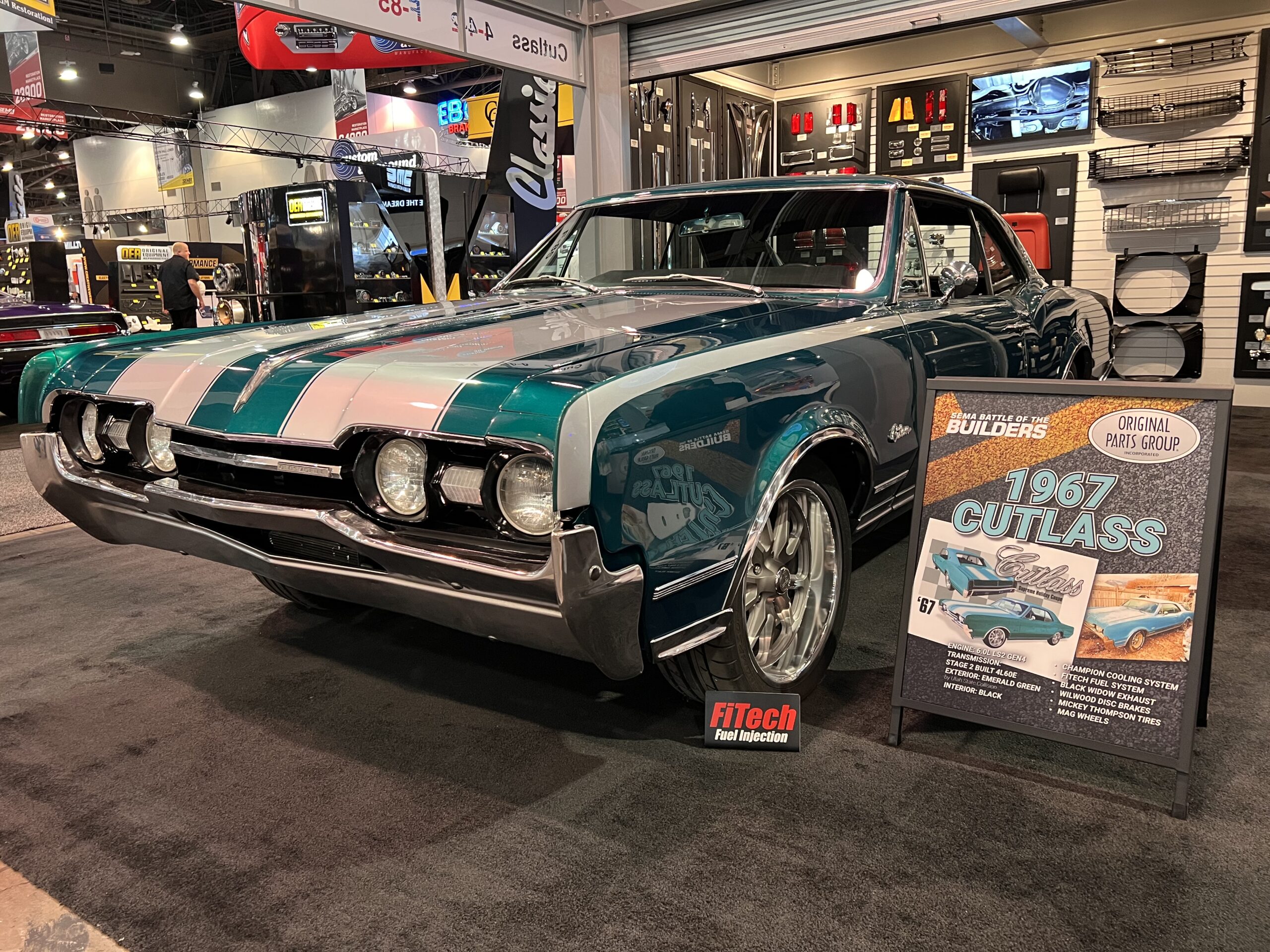
Ask yourself:
There isn’t a universal answer. Some builds deserve factory-correct accuracy down to the hose clamps. Others benefit from carefully selected upgrades that respect the original design while improving performance and safety. In 2026, the smartest builds are often the ones that strike a balance.
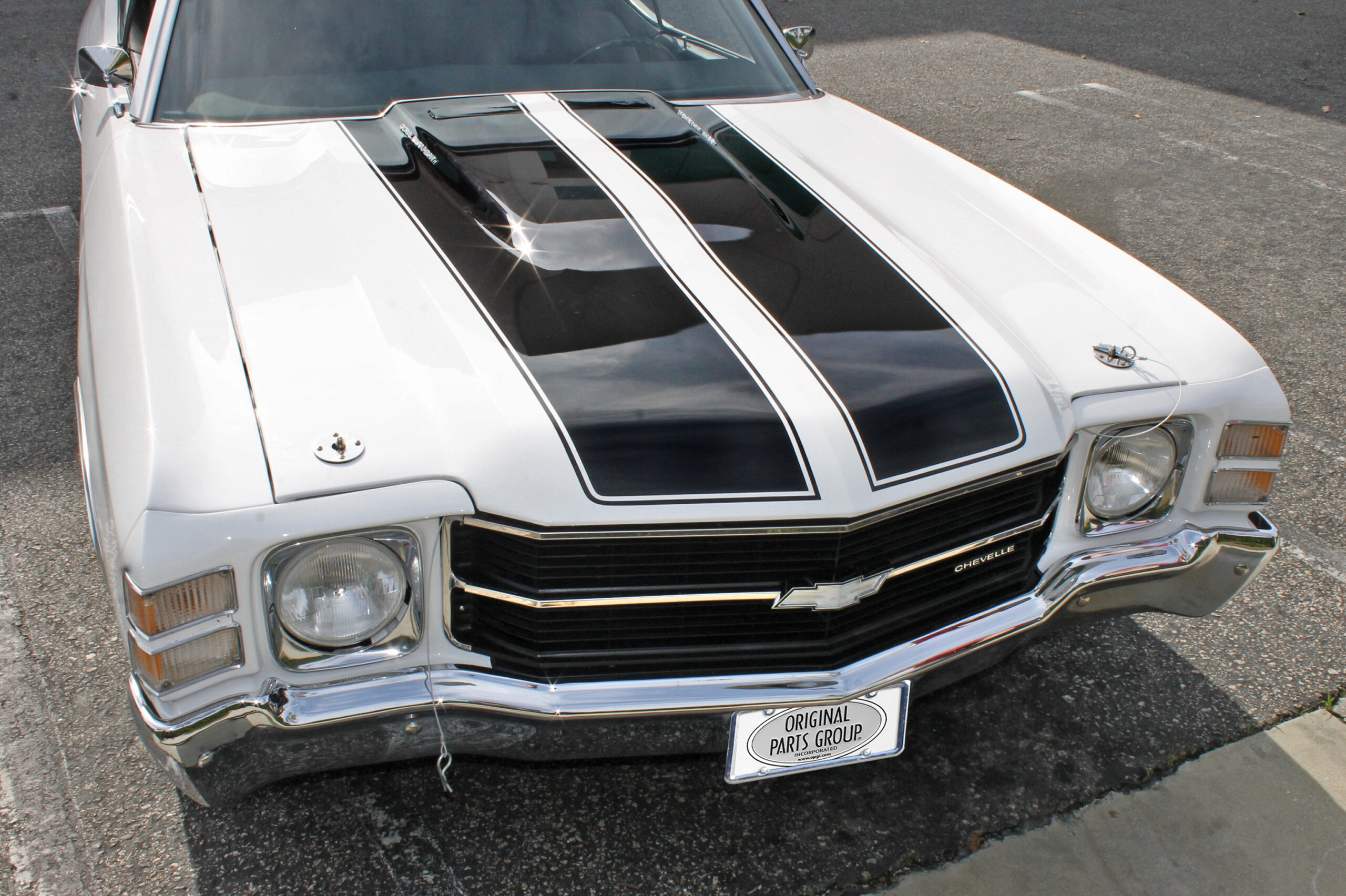
Originality still matters. But so does usability. Whether you are restoring a Chevelle, Monte Carlo, GTO, or another classic platform, the goal is the same, build a car you’re proud to drive. If that means factory-correct restoration parts, we have them. If that means bolt-on upgrades that improve confidence behind the wheel, we support that too. Because at the end of the day, the real value is in enjoying the car.
Leave a Reply