
- As seen on
-

-

-

-

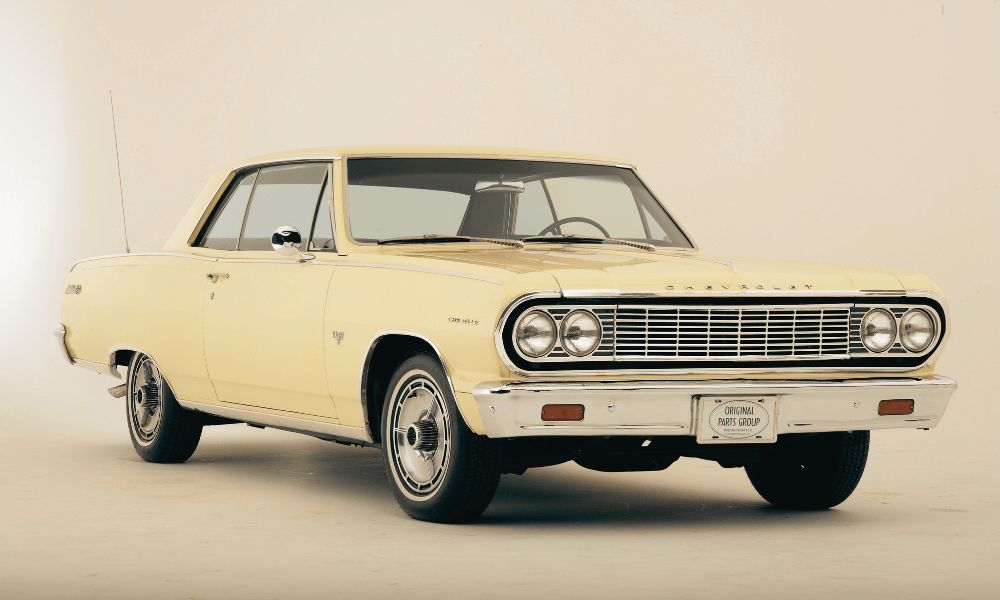
The 1964 Chevrolet Chevelle, launched as a mid-sized automobile, marked a pivotal moment in American car culture, heralding the era of muscle cars. Positioned between the compact Chevy II and the full-sized Chevrolet models, the Chevelle offered versatility with various body styles and a range of powerful engines. Its introduction, particularly with the high-performance SS (Super Sport) trim, set the stage for the muscle car wars of the 1960s, influencing competitors to produce similarly powerful, stylish, and affordable vehicles. The Chevelle’s blend of performance and practicality made it a favorite among enthusiasts, solidifying Chevrolet’s reputation in the burgeoning muscle car market.
In 1964, Chevrolet produced an impressive 338,300 Chevelles, offering diverse body styles and trim levels to cater to a wide range of preferences and needs. The 1964 Chevelle was available in several body styles, each designed to appeal to different tastes and lifestyles:
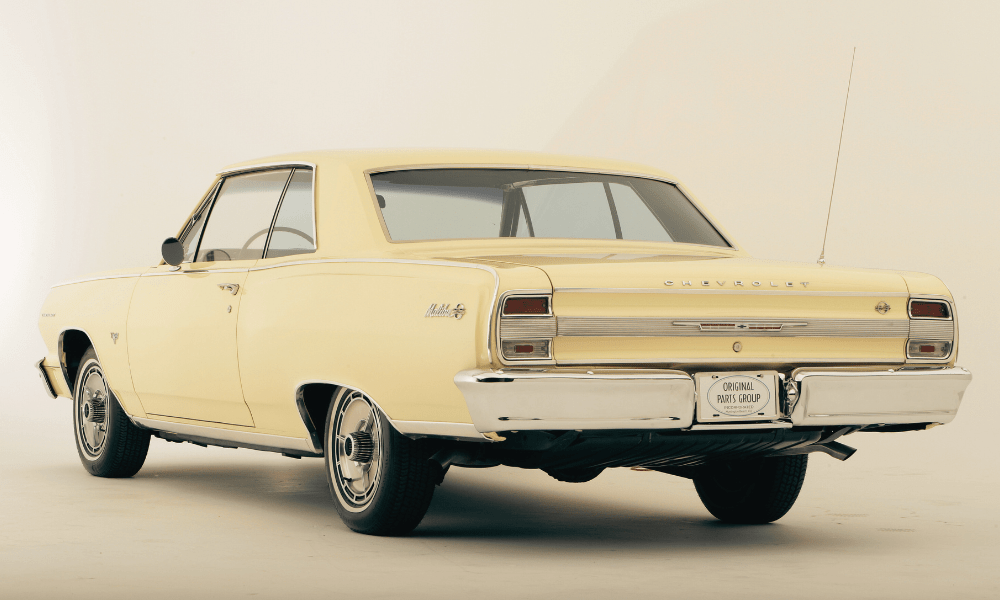
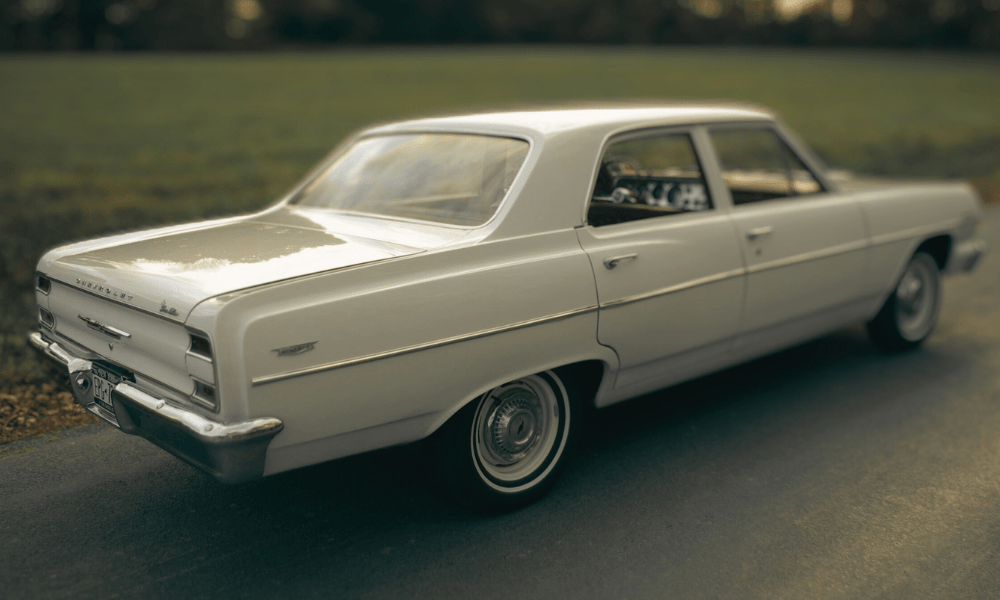
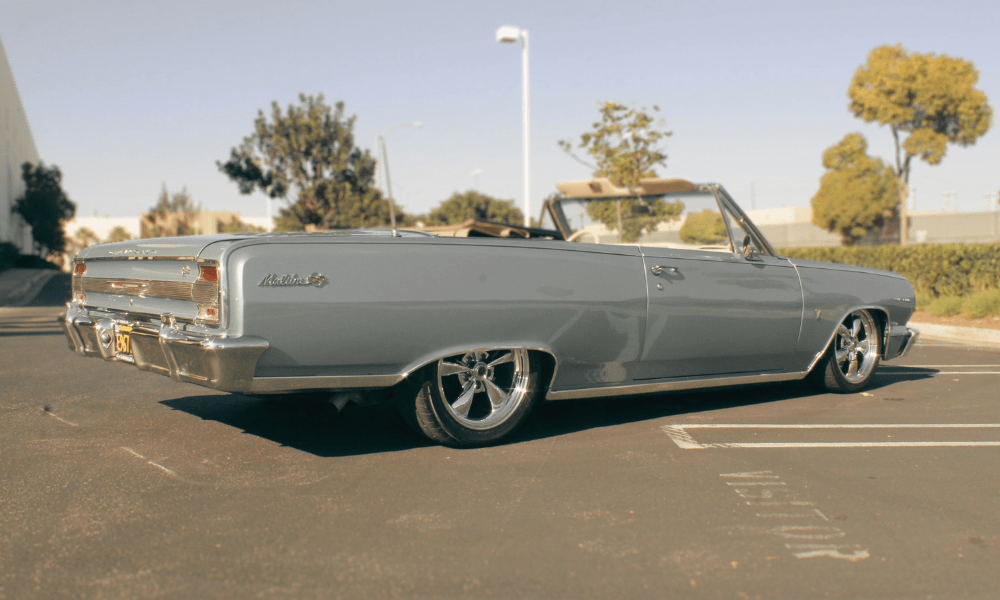
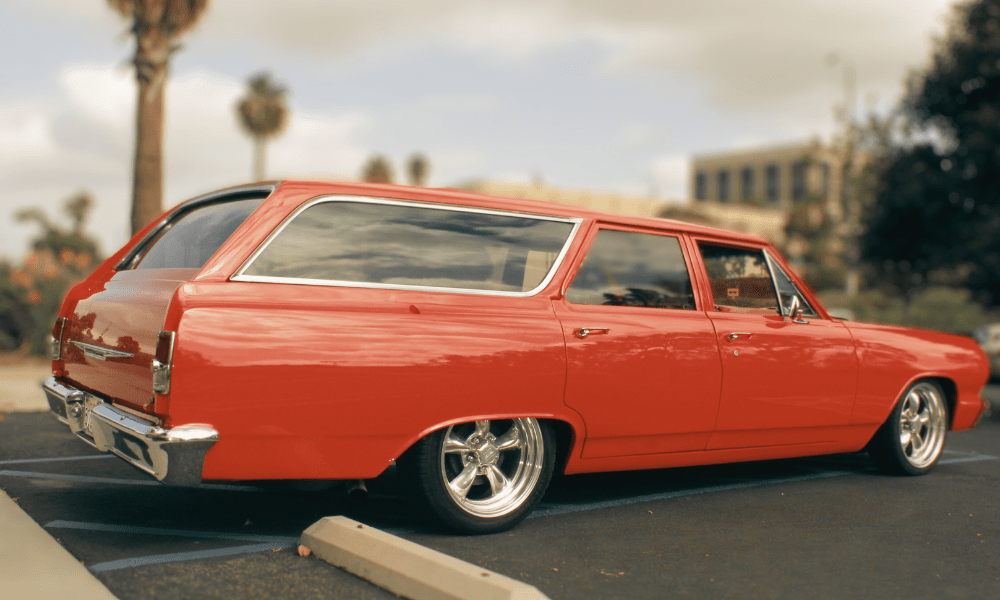
The various trim levels added further customization options, allowing buyers to tailor their Chevelle to their specific desires, whether prioritizing luxury, performance, or practicality.
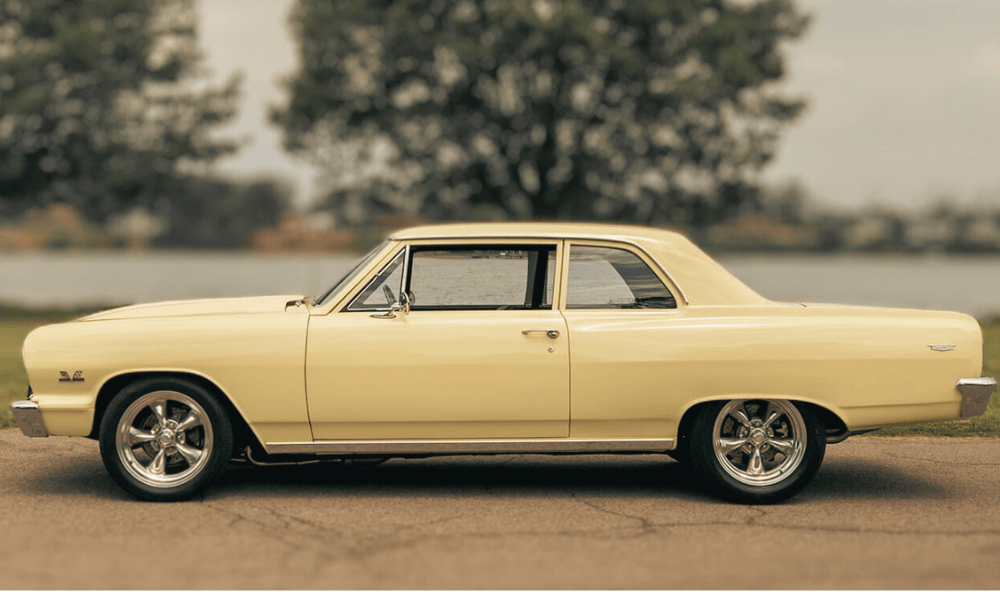
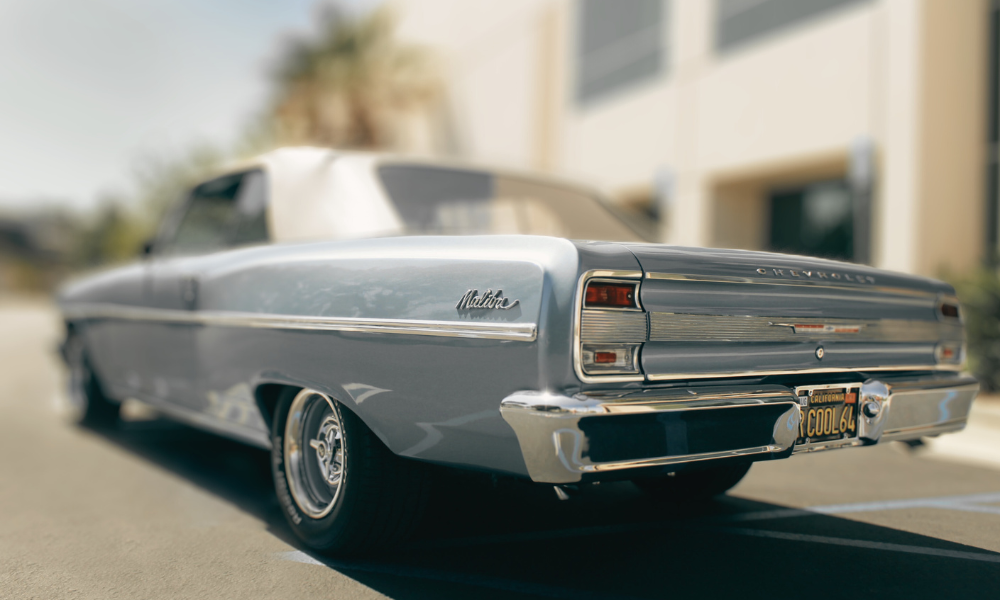
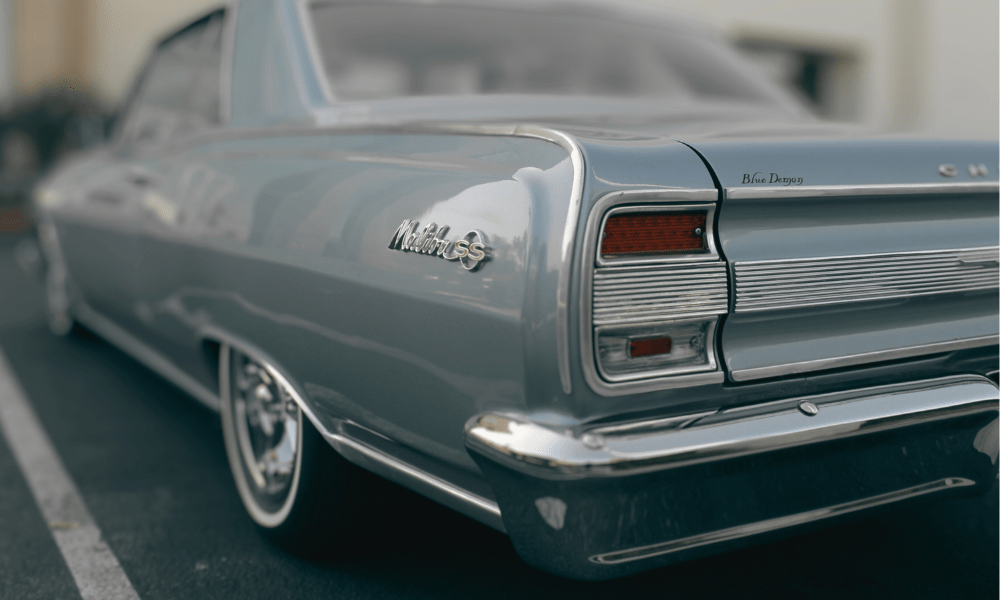
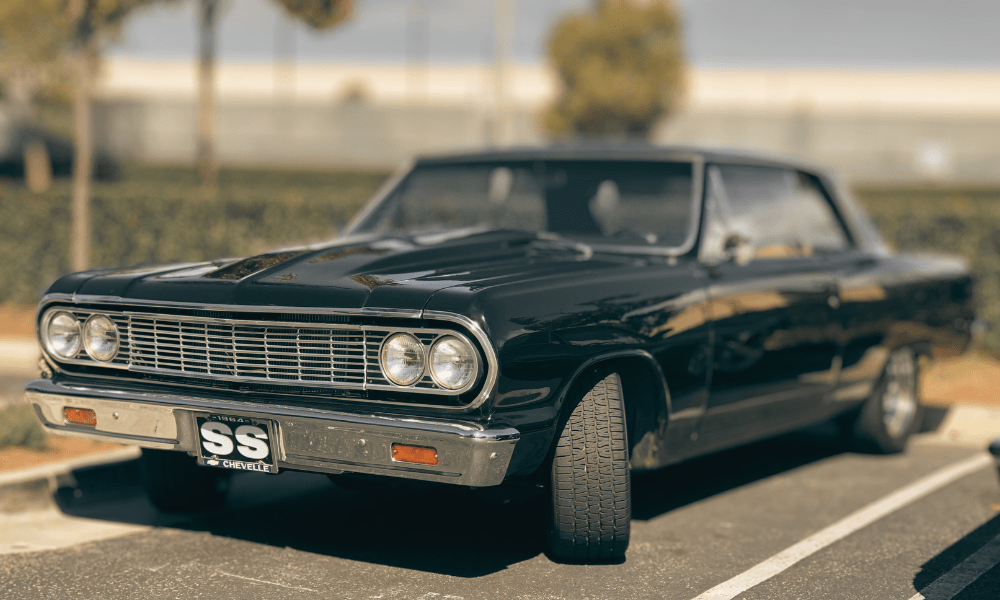
One of the most iconic versions was the Chevrolet Chevelle SS (Super Sport) model. Over the years, the Chevrolet Chevelle SS became synonymous with American muscle, celebrated for its impressive power and classic design.
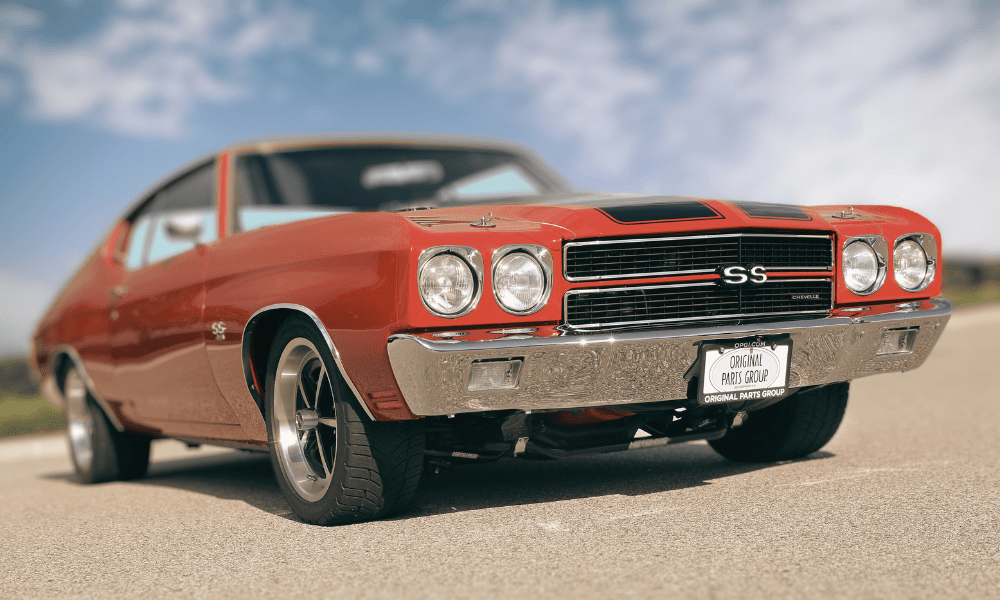
The Chevrolet Chevelle’s popularity grew throughout the 1960s and 1970s, with each new model year bringing improvements in performance, styling, and features. It wasn’t just a car; it was a statement of power, freedom, and style. Each upgrade, from the 1965 new grille and tail lights to the 1966 aggressive front end, only heightened its appeal.
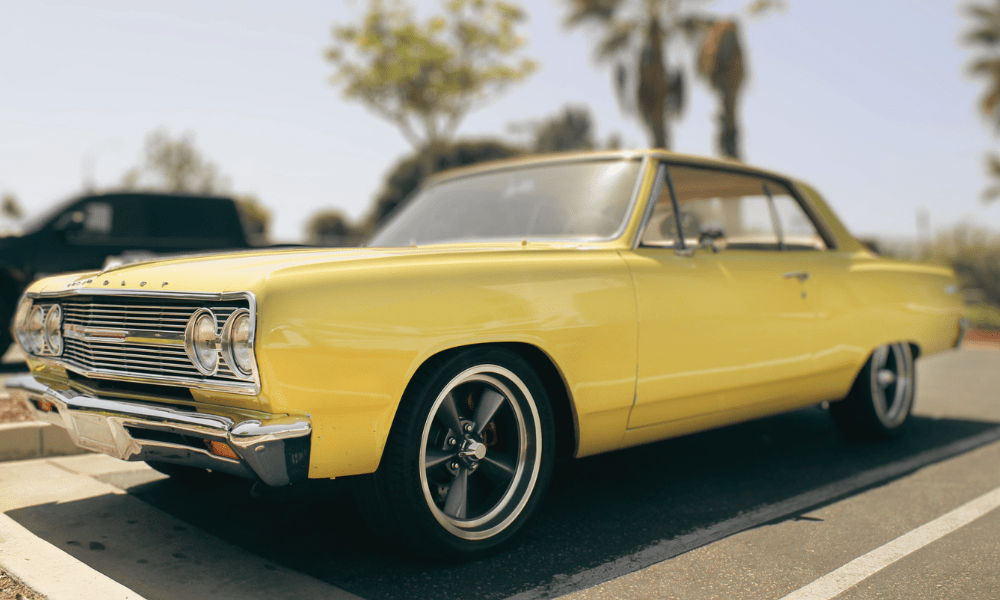
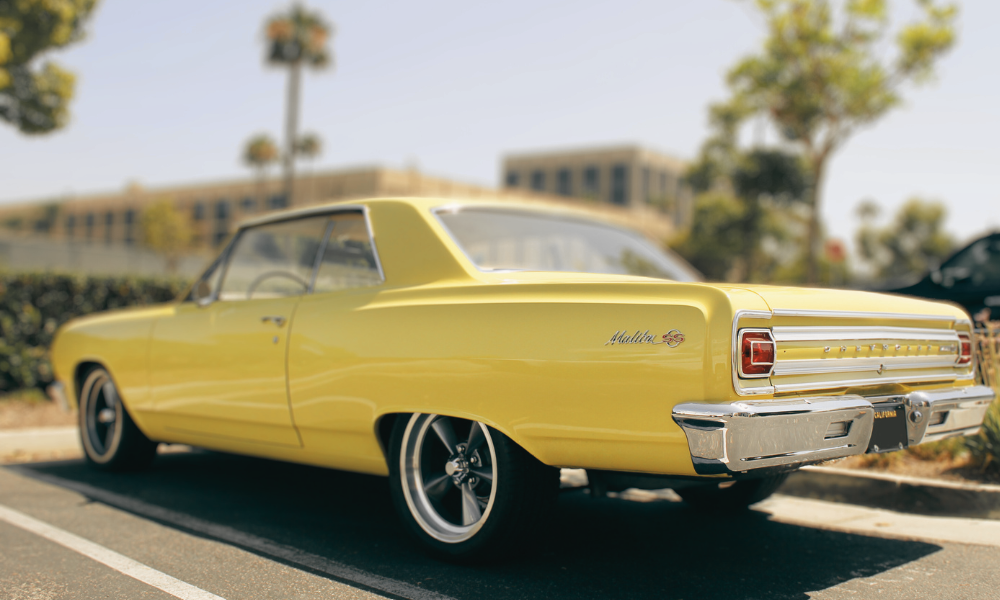
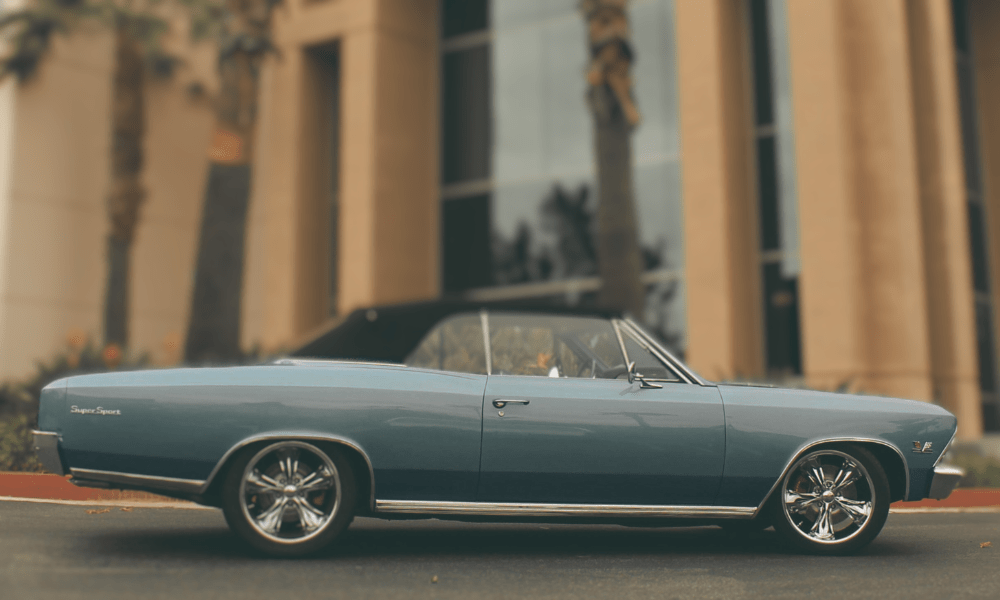
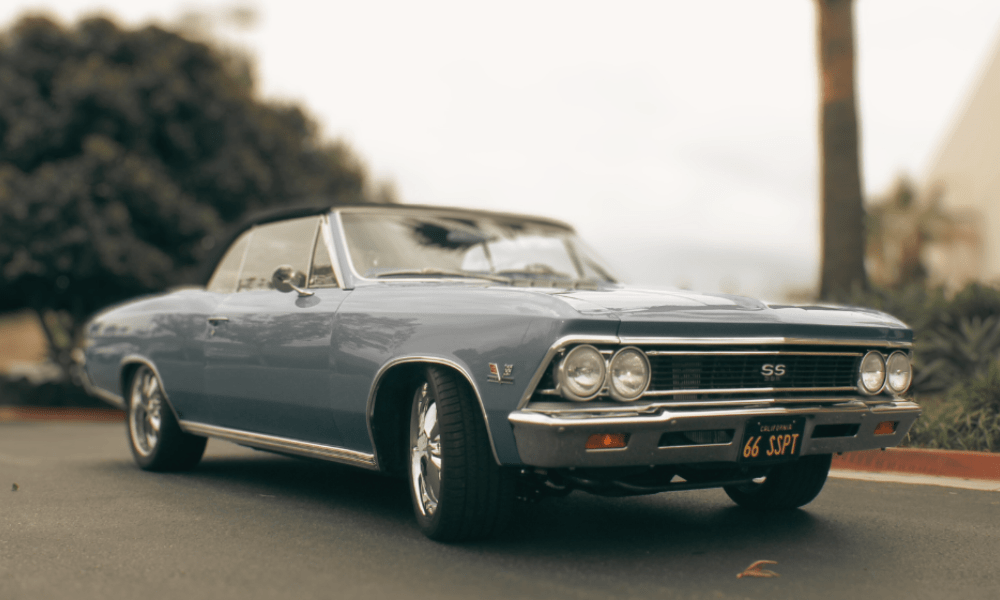
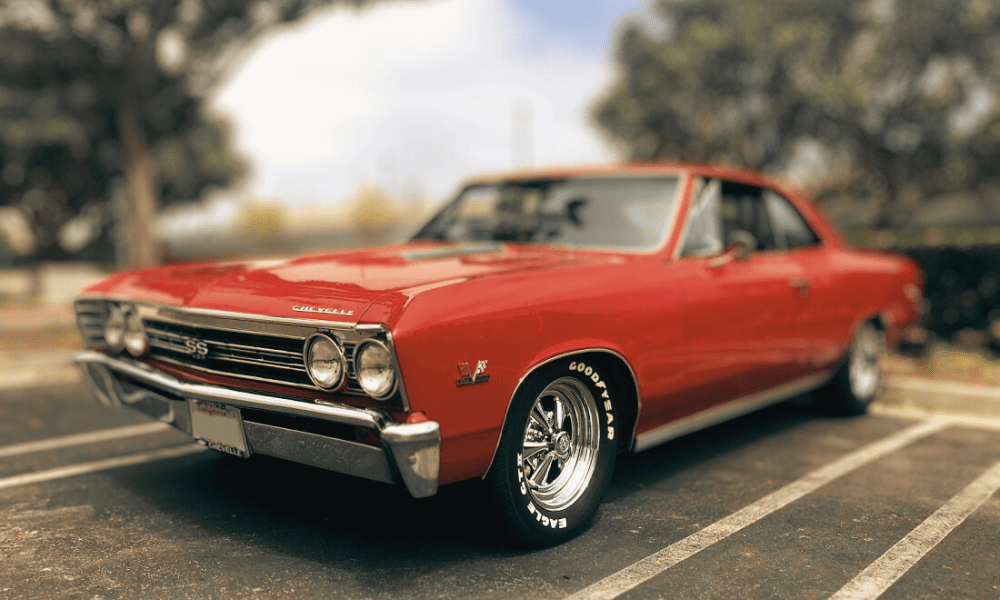
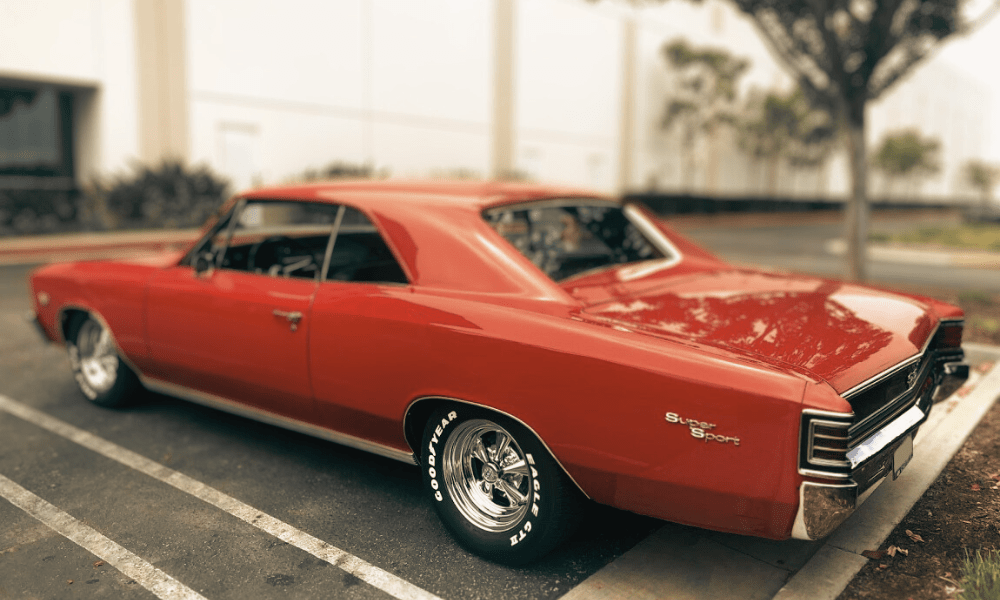
In 1965, the Chevrolet Chevelle received updates like a new grille and tail lights. The 1966 Chevrolet Chevelle introduced a more aggressive design with a redesigned front end and a sleeker look. In 1967, the Chevrolet Chevelle added safety features such as a dual master cylinder brake system. Not to mention the ’67 rear lights that now wrapped around.
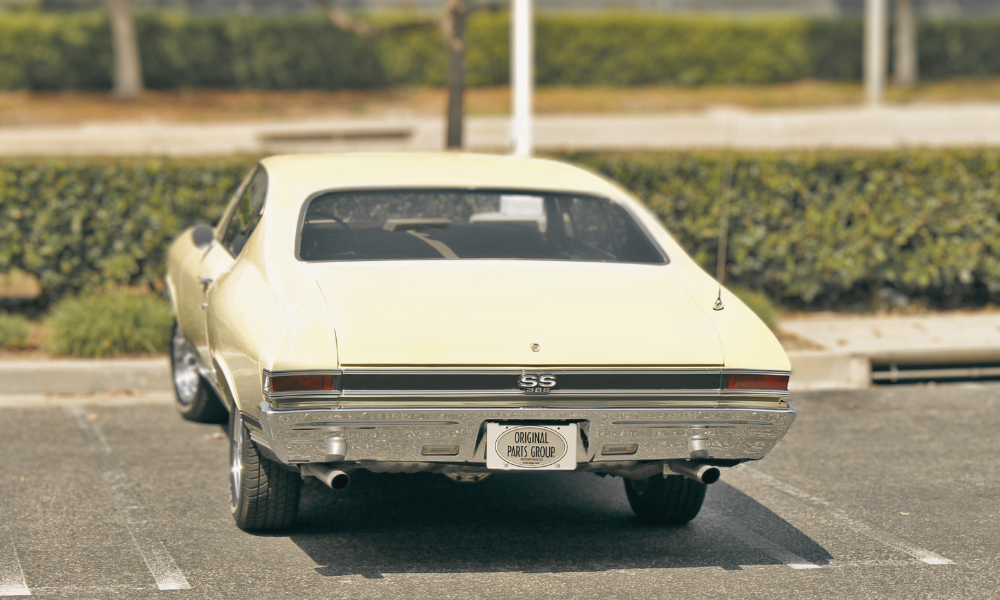
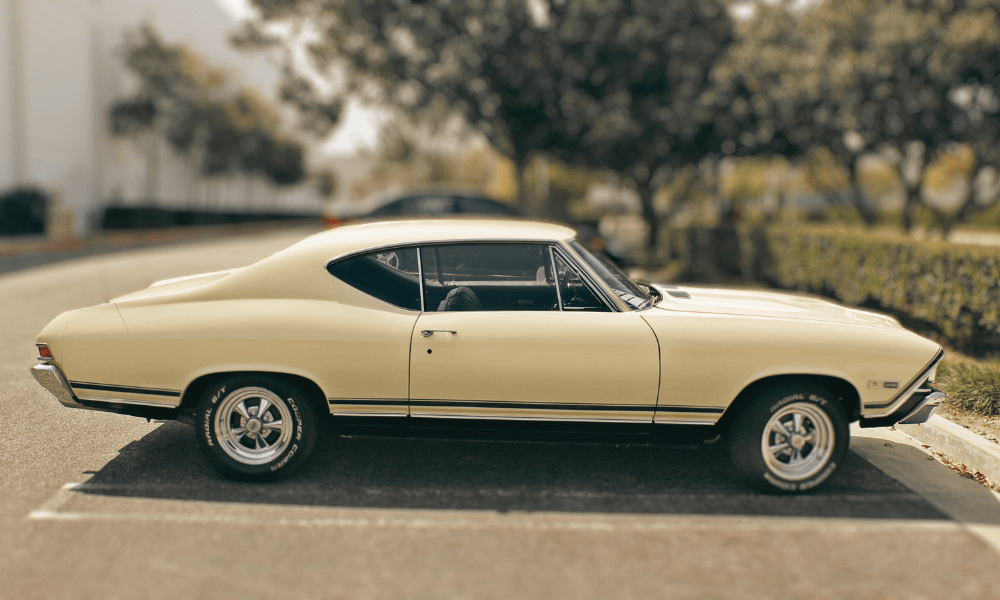
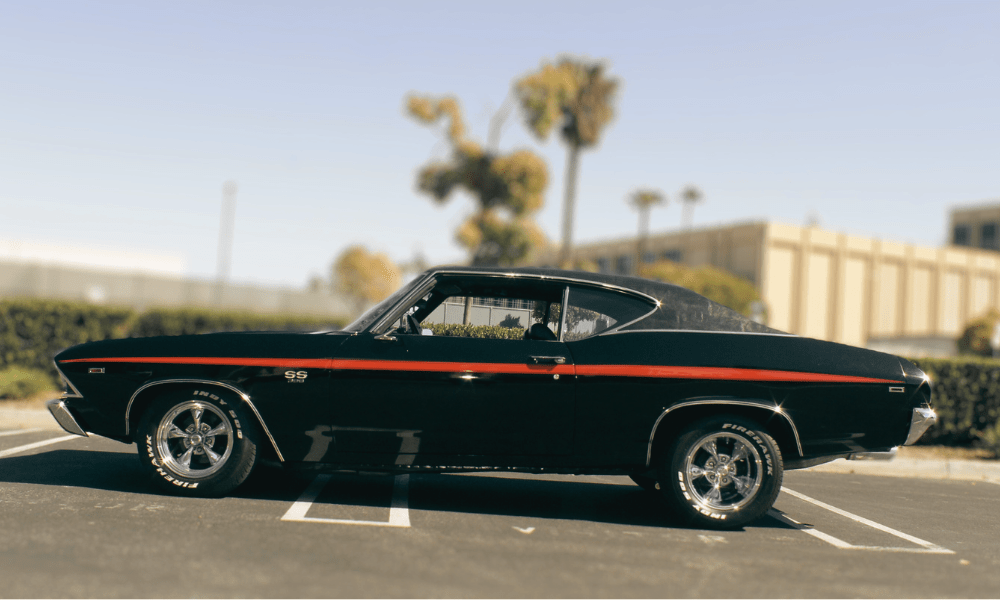
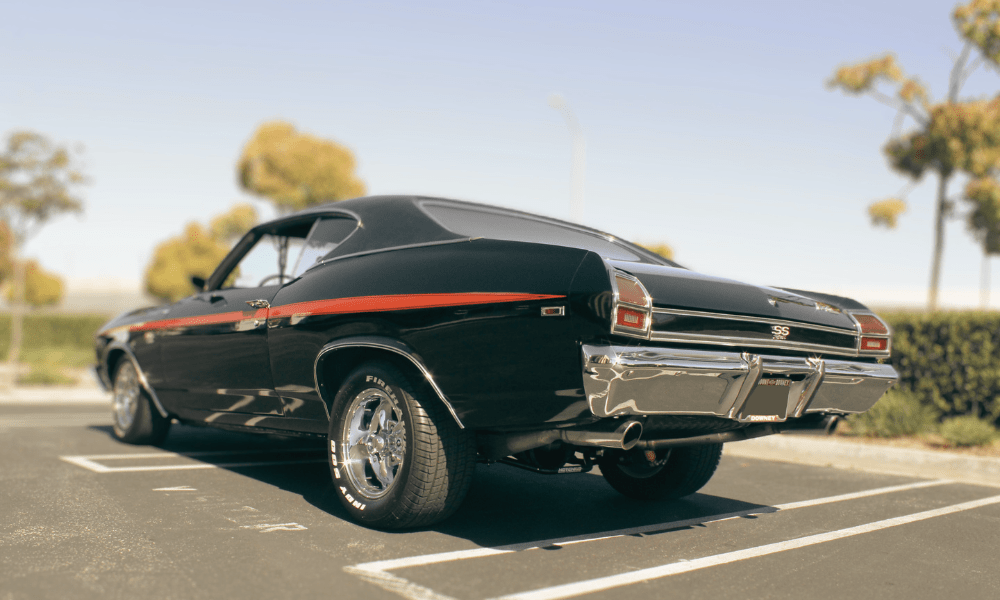
Starting in 1968, the Chevrolet Chevelle marked the beginning of a new design era with a curvier body and a longer wheelbase. The SS 396 became a separate model. The 1969 SS 396, with a 375-horsepower engine, further cemented the Chevrolet Chevelle’s muscle car status.
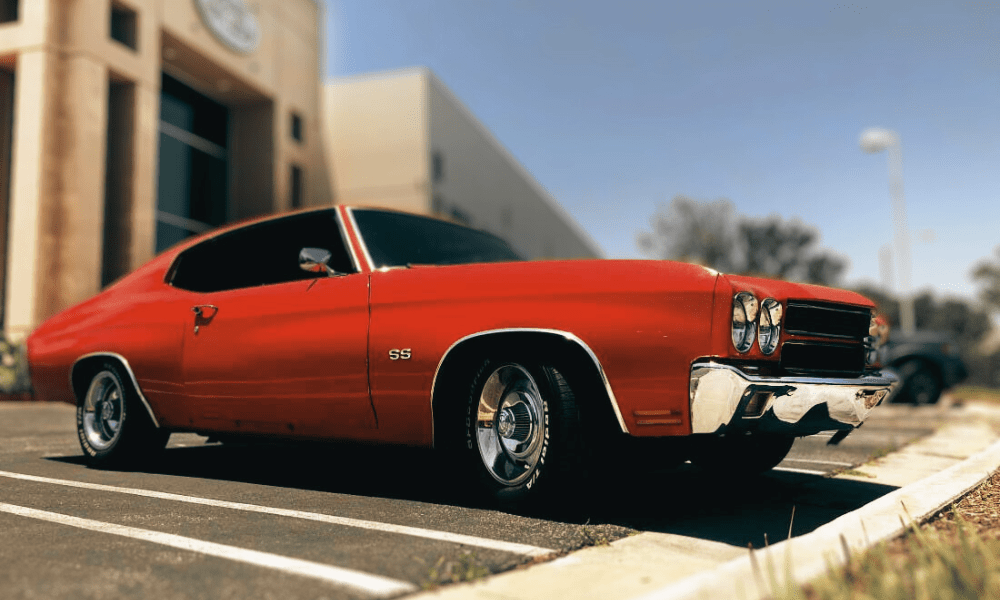
By 1970, the Chevrolet Chevelle reached its peak with the introduction of the SS 454. During this new design era, a total of 633,944 Chevelles were produced in 1970 alone. The 1970 Chevrolet Chevelle SS 454 LS6, boasting a 454 cubic inch (7.4L) V8 engine, produced up to 450 horsepower. It is often celebrated as one of the greatest muscle cars of all time.
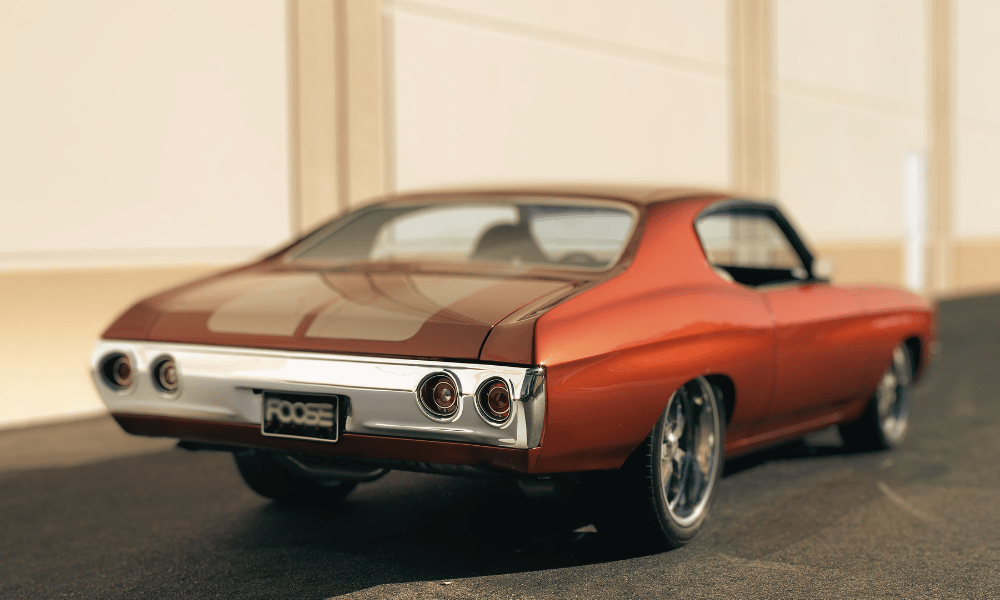
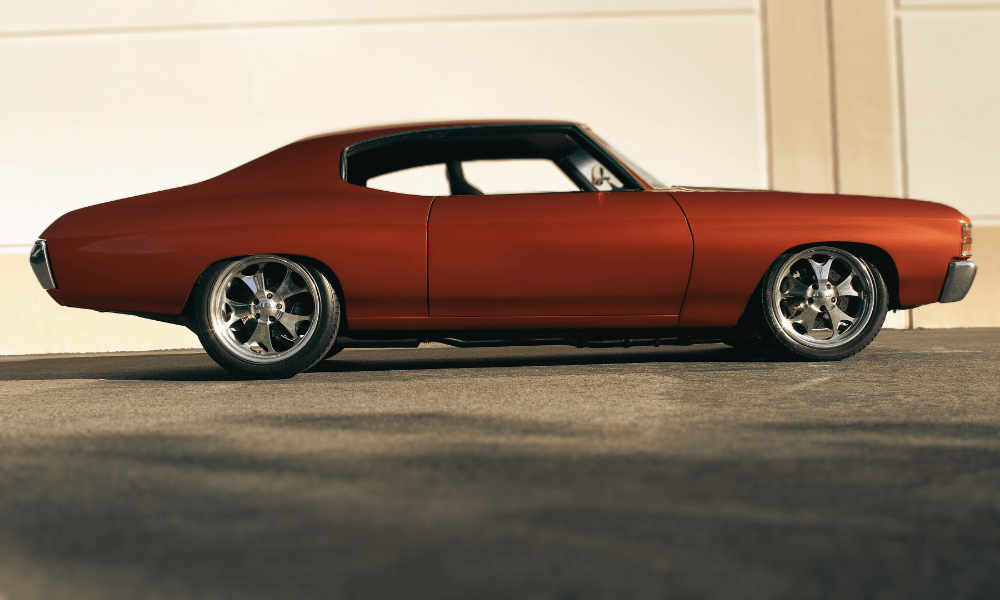
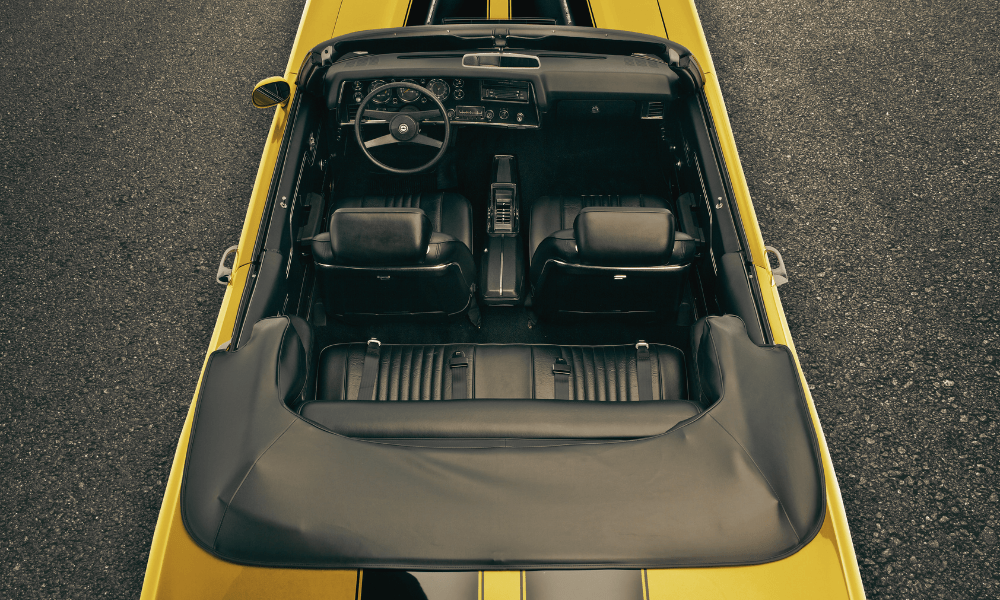
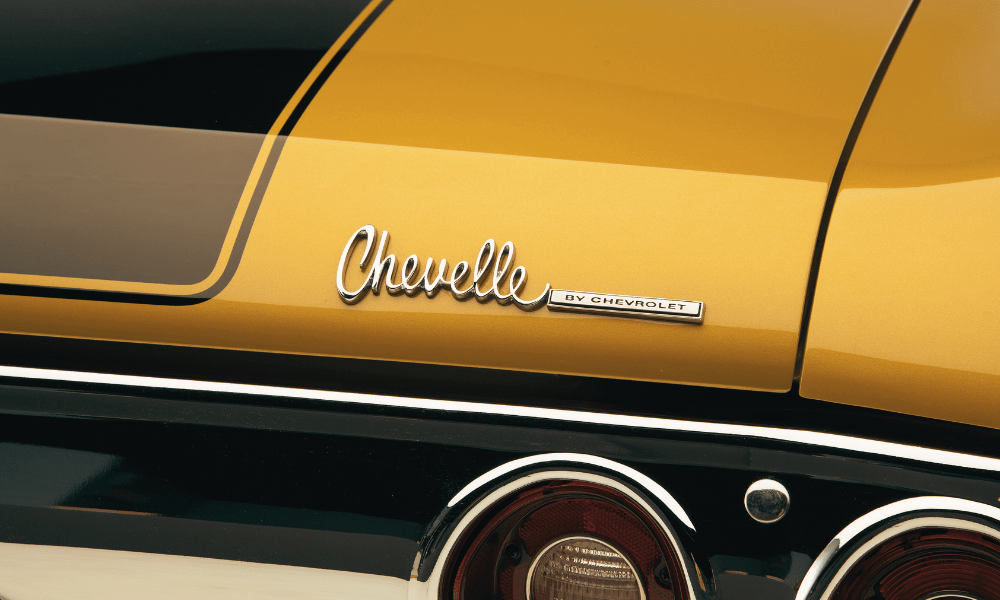
The 1971 and 1972 models saw slight design changes, focusing on improving emissions and fuel efficiency due to new regulations. These updates included more refined styling and enhanced safety features. Despite the regulatory challenges, the Chevrolet Chevelle continued to be a popular choice among muscle car enthusiasts.
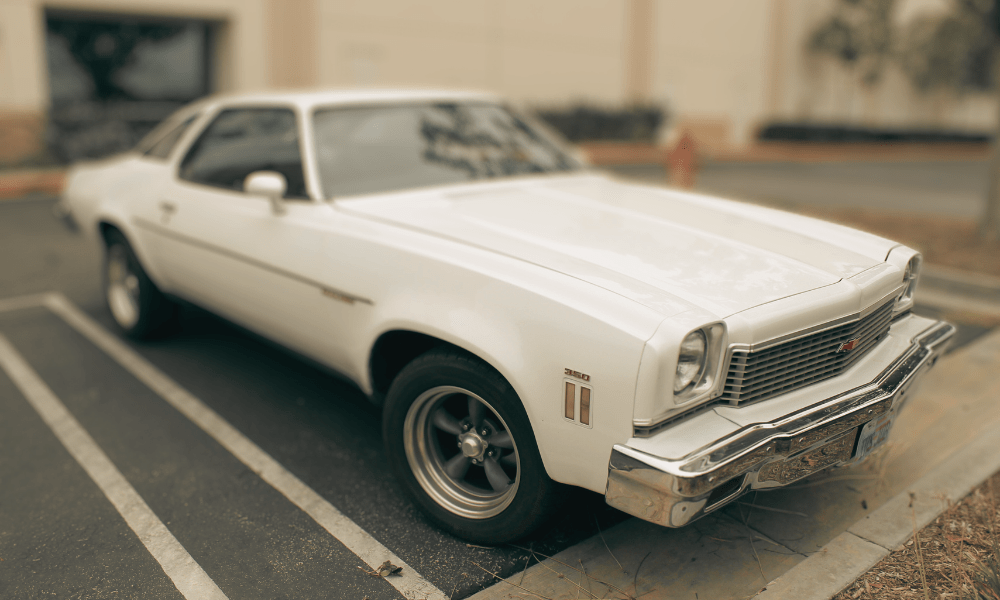
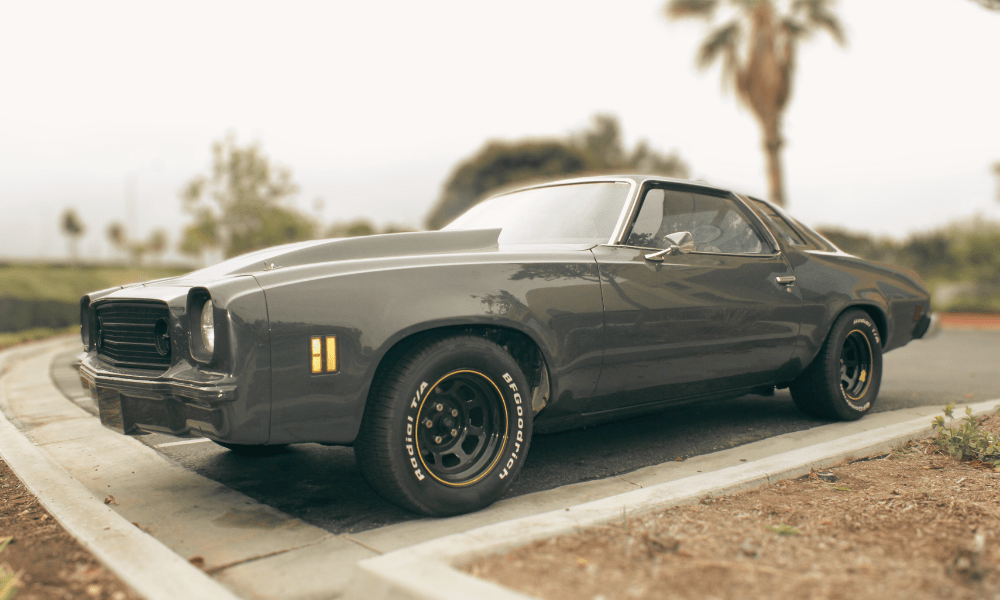
In 1973, the Chevrolet Chevelle introduced the “Colonnade” body style, featuring larger and more luxurious designs to meet new federal safety standards. These models included energy-absorbing bumpers and improved structural integrity. The 1974 Chevrolet Chevelle Laguna S-3 stood out for its unique front end and aerodynamic styling.
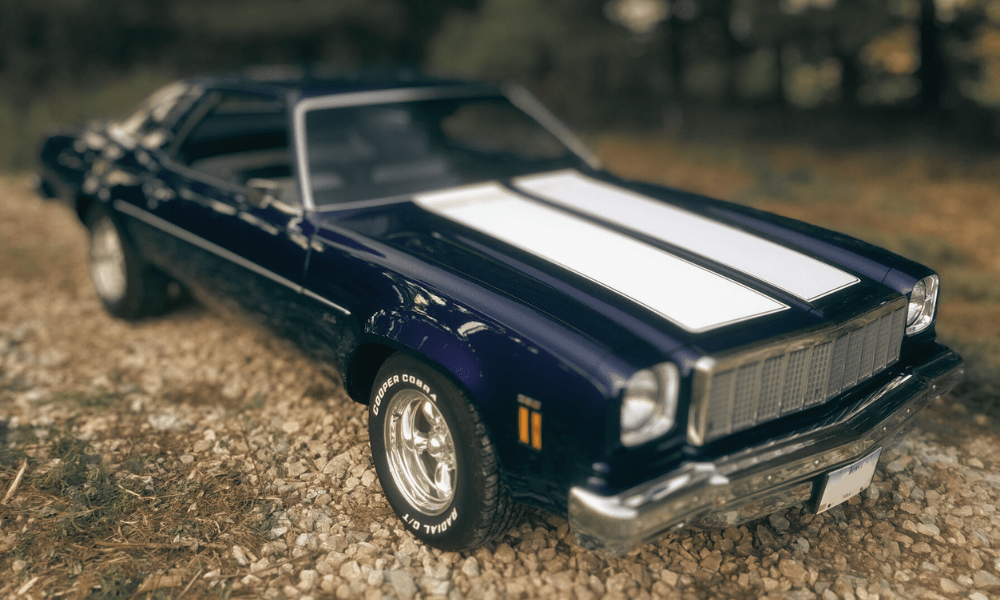
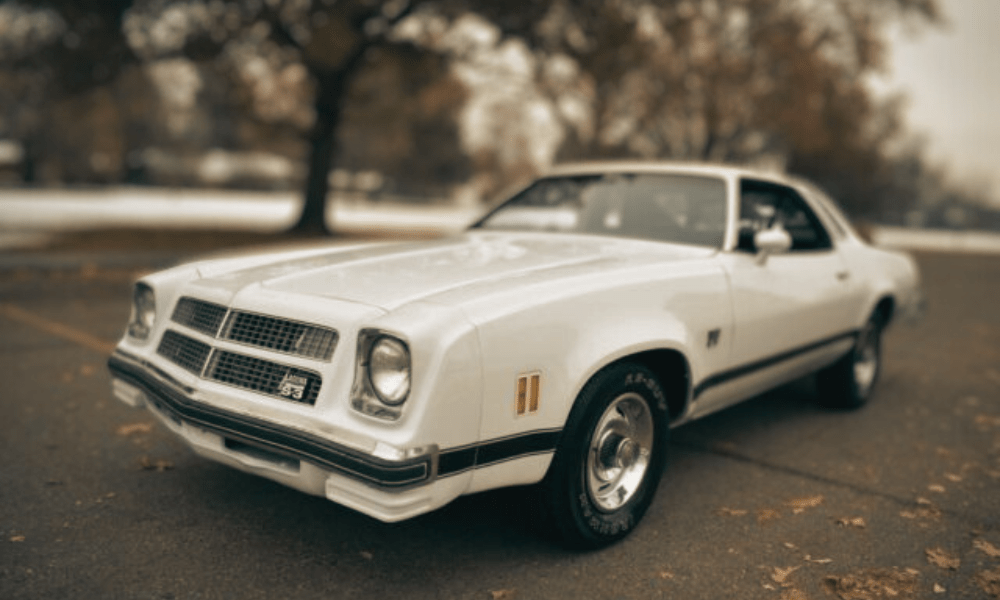
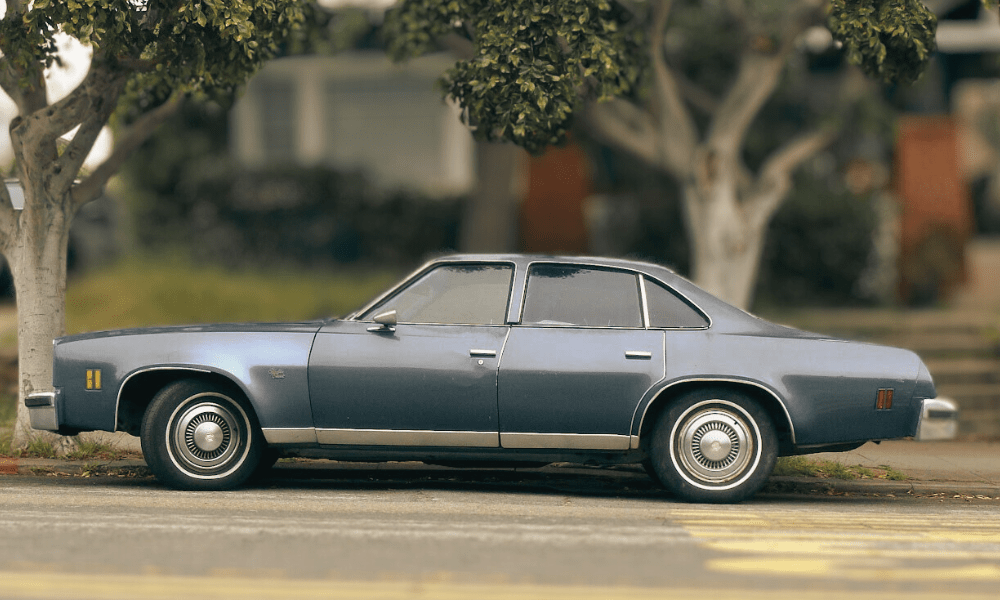
It was in ’75 that the Chevrolet Chevelle evolved with a focus on comfort and luxury. The 1976 Chevrolet Chevelle Laguna Type S-3 added a sporty touch to the lineup. By 1977, the Chevrolet Chevelle offered various trims to cater to a wider range of customers.
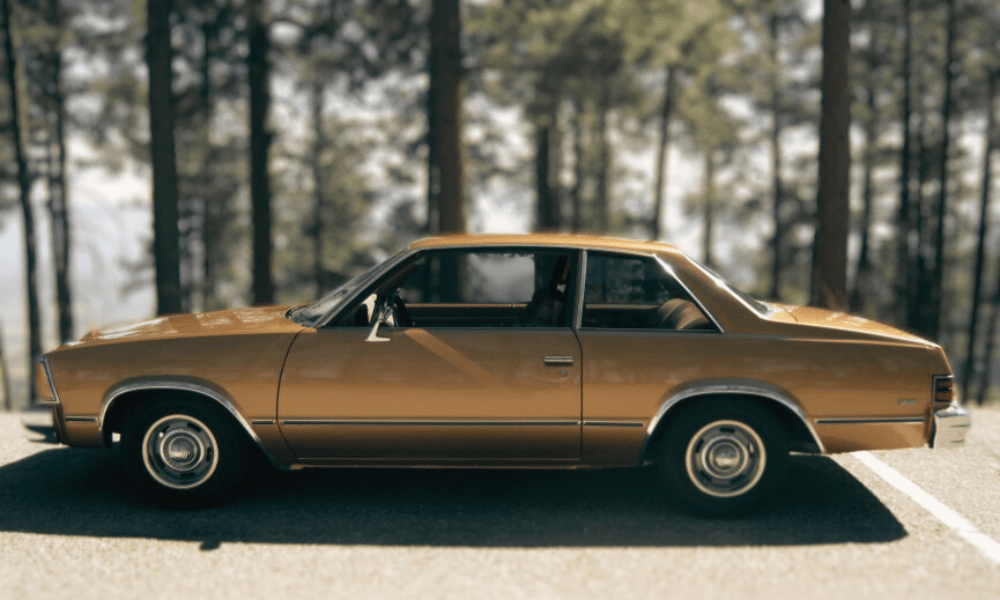
By 1978, Chevrolet replaced the Chevrolet Chevelle nameplate with the Malibu as its mid-sized car offering. The Malibu continued the Chevrolet Chevelle’s legacy with a more compact design and a focus on fuel efficiency. Throughout the 1980s, the Malibu remained popular among consumers looking for a reliable and stylish mid-sized car.
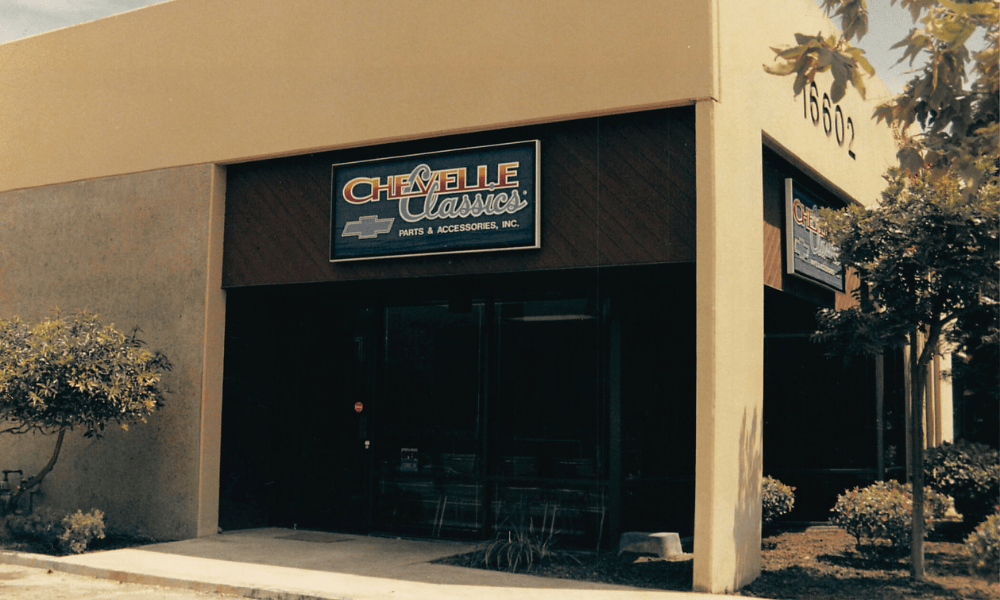
Recognizing the Chevrolet Chevelle’s enduring popularity in the early ’80s, Original Parts Group Inc. (OPGI), then known as “Chevelle Classics,” was established in 1982. OPGI has dedicated itself to providing high-quality restoration parts for classic Chevrolet Chevelles ever since. By consistently offering top-notch parts, OPGI ensures that each restored Chevelle remains a testament to the craftsmanship and performance of the original models.
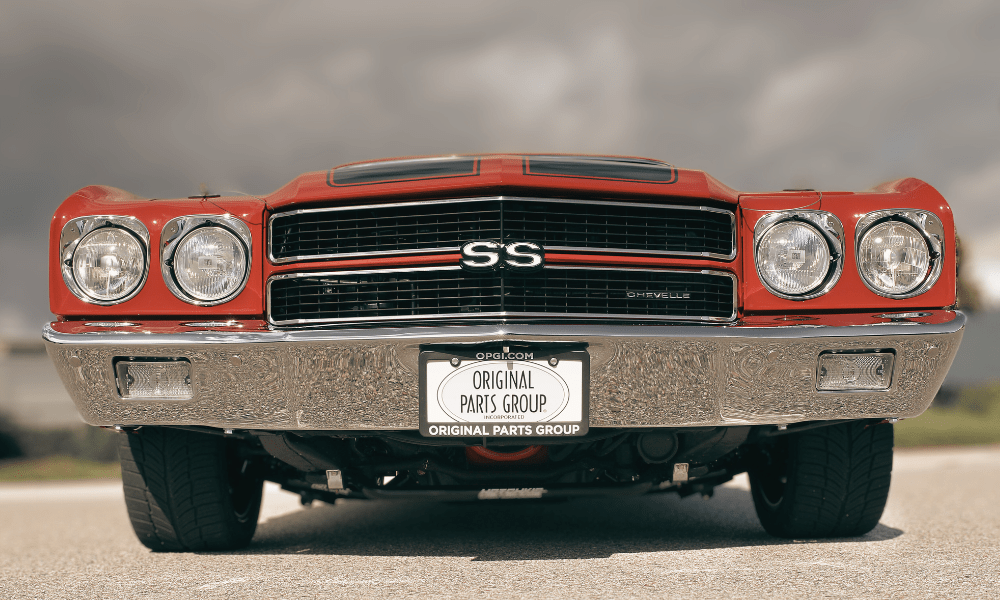
For over six decades, Chevrolet Chevelle enthusiasts have fueled their passion for these iconic vehicles with the utmost care and dedication. Original Parts Group is proud to make maintaining a Chevelle’s appearance and performance easier than ever. With our extensive catalog of authentic parts, ranging from engine components to trim details, enthusiasts can ensure their rides retain their original glory.
For everything you need to know about the Chevelle, all in one place, check out the infographic below!

Leave a Reply